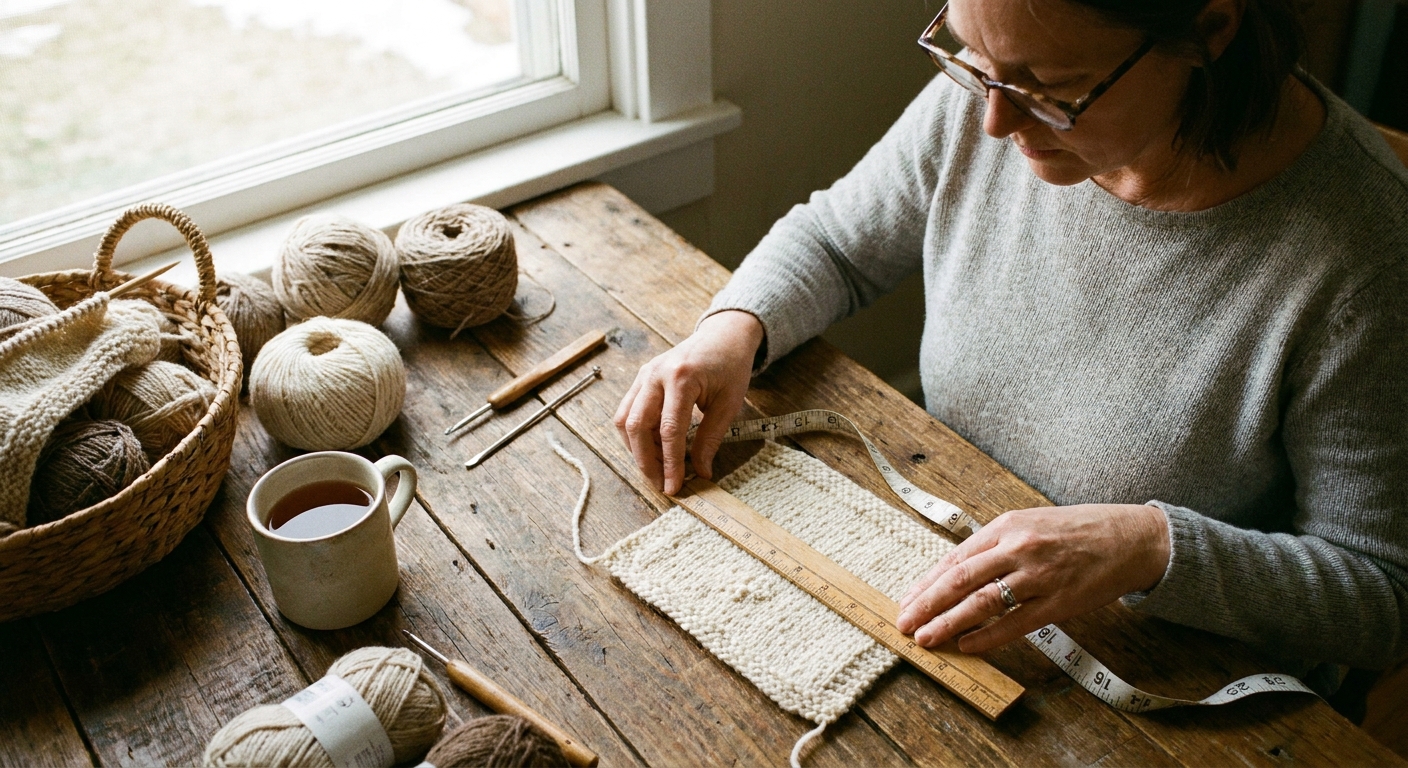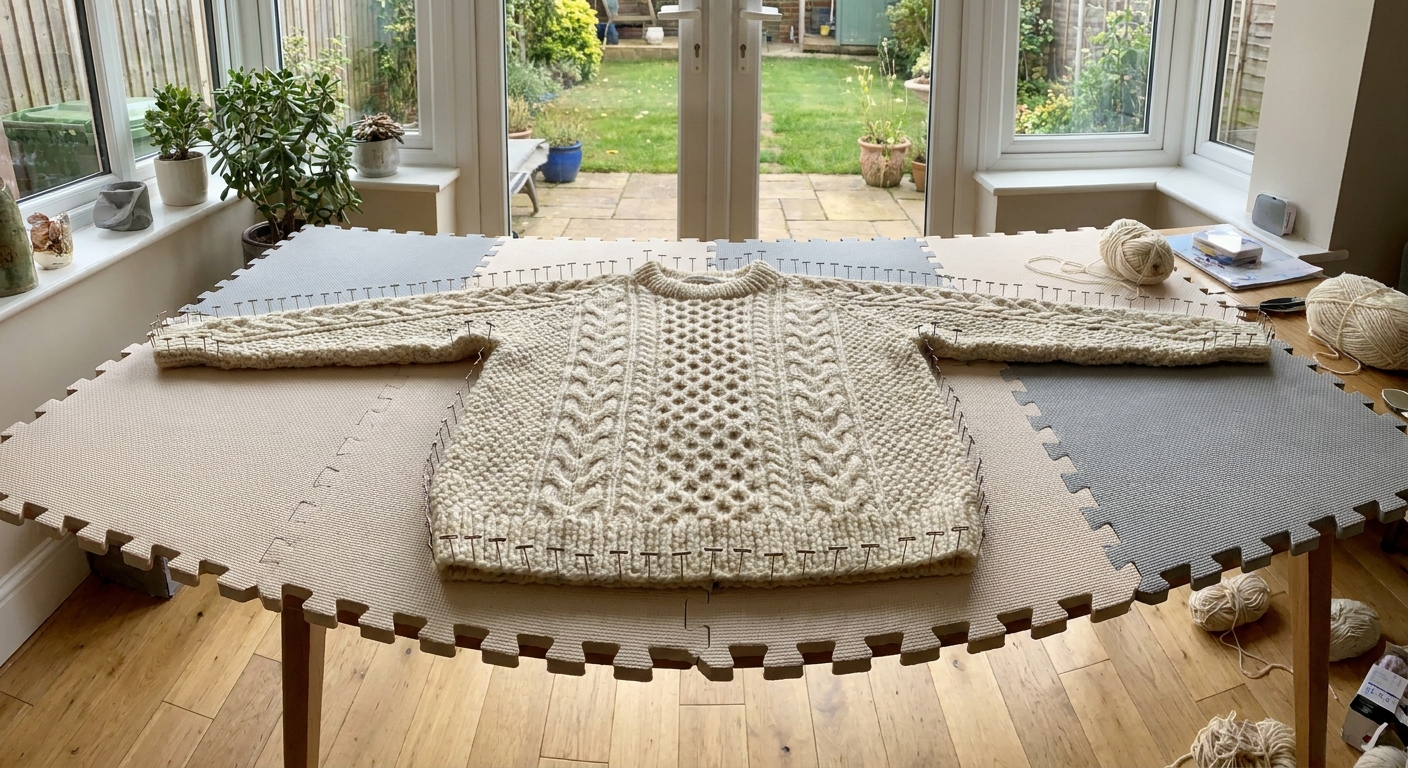
Stop surprises like too-long sleeves. Learn to knit a proper gauge swatch, wash and block it like your garment, then measure stitches and rows accurately for...
Holding Yarn Double With Silk Mohair

Published · Last updated
The first time I held silk mohair together with another yarn, I expected a small change, maybe a touch of fuzz. What I got was a whole new fabric: airier, warmer, softly blurred at the edges, and somehow more polished even in plain stockinette or simple crochet stitches. If you have ever picked up a sweater that looks like it is glowing a little, that is usually the mohair halo doing its magic.
This guide will walk you through exactly how to hold yarn double with silk mohair, how to choose pairings that behave nicely together, and how to swatch in a way that actually predicts the final result.
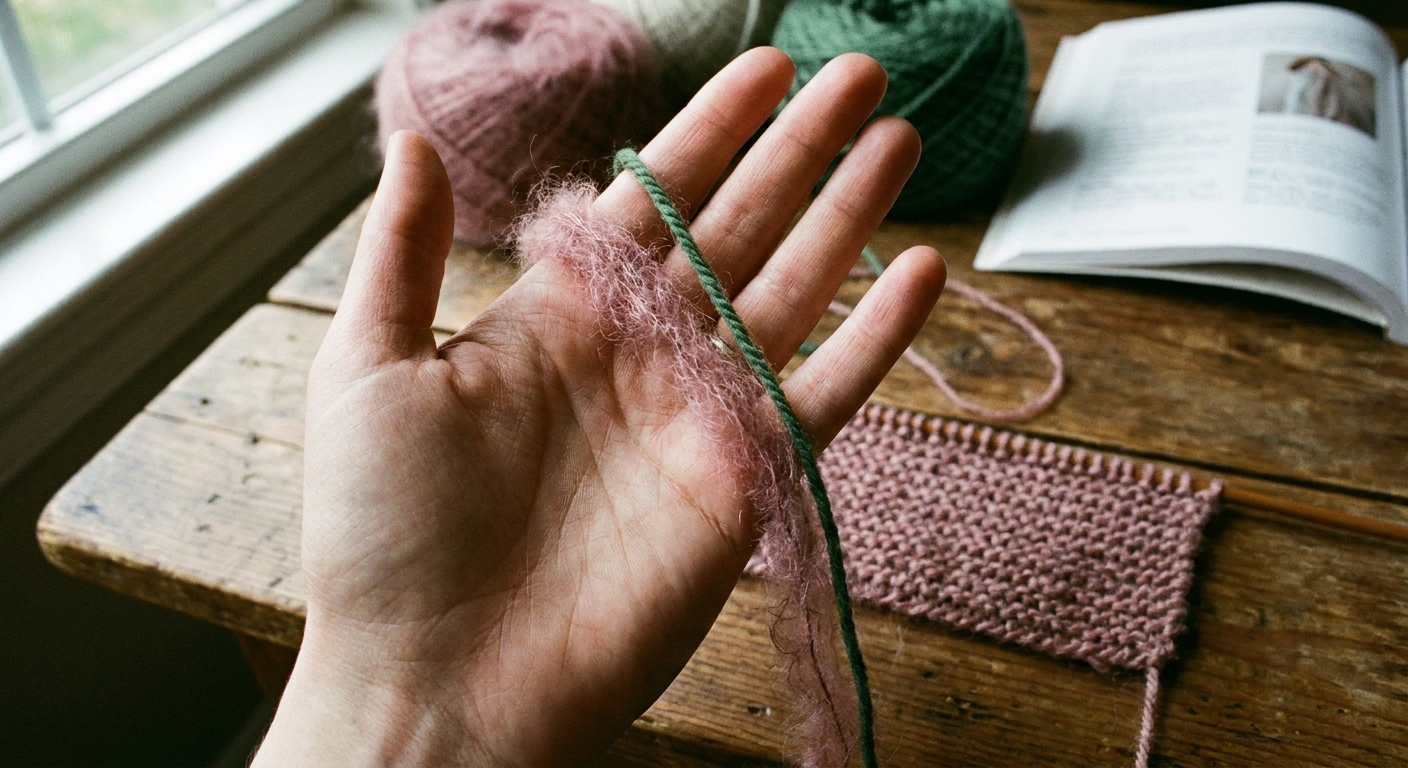
What holding yarn double means
Holding yarn double simply means you work with two strands at the same time as if they are one yarn. You knit or crochet each stitch by catching both strands together.
When one of those strands is silk mohair, you are usually doing it for one or more of these reasons:
- Add halo: that soft, fuzzy bloom that slightly blurs the stitch edges.
- Add warmth without heavy bulk: mohair traps air, so the fabric feels cozy but not stiff.
- Change gauge: two strands can help you reach a thicker gauge, or help a fabric fill in without jumping multiple yarn weights.
- Change drape and texture: the silk adds slip and a hint of sheen; the mohair adds loft.
- Blend colors: a tinted mohair can shift the overall shade of your base yarn in a painterly way.
Why silk mohair works as a second strand
Many silk mohair yarns are made with a fuzzy mohair fiber anchored around a silk core. That core is the unsung hero. It adds strength and helps keep the halo stable while you work.
In fabric, silk mohair tends to:
- Lighten the look of stitches (less crisp definition, more softness).
- Feel warmer than its thickness suggests.
- Add a gentle sheen that can make even basic stitches look elevated.
Does the silk core mean it will not shed? Not necessarily. It can help compared with some brushed yarns, but shedding still varies a lot by brand, fiber length, and finishing. That is why I always do a quick rub test on a washed swatch before I commit.
If you love stitch definition (cables, lace motifs, tapestry work), mohair can still work, but choose it intentionally and swatch carefully. Halo is beautiful, but it does soften details.
Best yarn pairings for halo
I like to think in terms of what role the mohair is playing. Is it adding warmth, filling in gaps, shifting color, or nudging gauge? Once you know the goal, pairing gets much easier.
Silk mohair + fingering weight
This is the classic mohair sweater combo. The finished fabric often lands around a sport to DK feel, depending on needle or hook size and how dense you work.
- Use it when: you want a lightweight sweater, shawl, or scarf with a romantic haze.
- My tip: if your fingering yarn is very smooth (merino, bamboo blends), the mohair can make it feel a little less slick in your hands.
Silk mohair + DK weight
This makes a plush, cozy fabric quickly, especially for winter accessories. It can get warm fast.
- Use it when: you want a hat, cowl, or cardigan that feels like wearing a warm cloud.
- Watch for: fabric getting too dense if you do not size up your needle or hook.
Silk mohair + rustic yarns
Mohair can polish rustic yarn by softening the look while keeping that wooly bounce.
- Use it when: you want cozy warmth with a gentler feel at the surface.
- Swatch note: rustic yarns bloom after washing, so always wash your swatch.
Silk mohair + cotton or linen
This can be surprisingly lovely: the plant fiber keeps structure while mohair adds softness. The catch is that mohair is warm, so this is often better for transitional seasons than peak summer.
- Use it when: you want a slightly fuzzy tee, open cardigan, or evening wrap.
- Watch for: cotton weight plus mohair warmth can feel heavier than expected.
Color pairing
- Match (same color family): safest and most seamless. Great for first-time mohair users.
- Blend (one strand lighter or darker): adds depth, like heathering without complicated colorwork.
- Contrast (two different colors): reads like a soft aura around the base color. Gorgeous, but swatch it because the halo visually mixes colors more than you might expect.
How to hold double without tangles
When people tell me they hate holding yarn double, it is usually not the fabric they hate. It is the twisting, the yarn barf, and the strands fighting each other. Here are the setups that keep things calm.
Setup 1: Two separate balls
- Wind your main yarn into a ball or cake.
- Keep your silk mohair as a separate ball or cake.
- Feed both from the outside (or both from the center), not one-and-one. Mixing feed styles can cause uneven tension.
Setup 2: Mohair in a bowl
Mohair is light and wants to float and snag. I like to put the mohair cake in a bowl or bag so it cannot leap around and wrap itself around chair legs.
Setup 3: Wind the two strands together
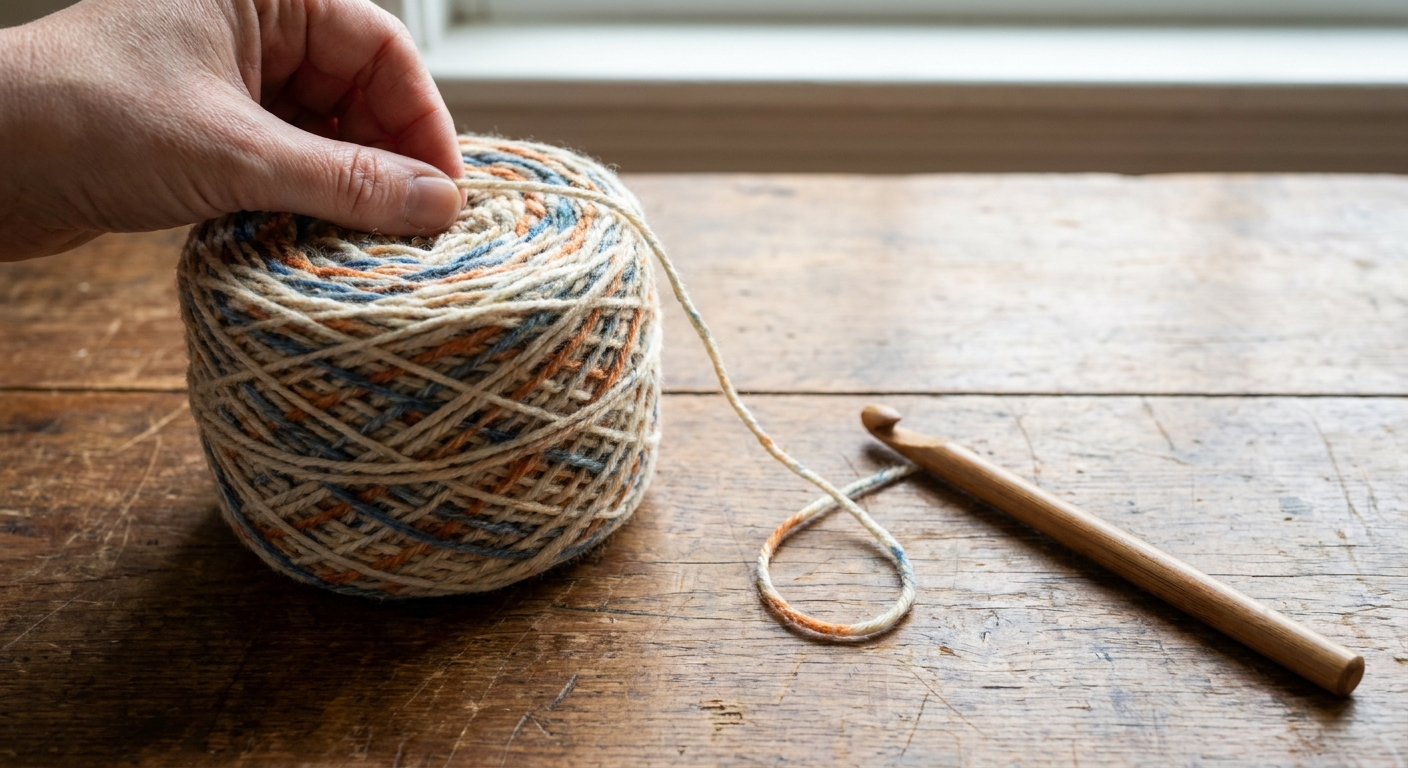
If you know you will use the same pairing for the whole project, you can wind the two strands together into a single cake. This makes tension more consistent and makes it harder to accidentally drop one strand.
- Tip: keep a gentle, even tension while winding. If you pull mohair too tight, it can compress into the cake and feed unevenly later.
Keeping even tension
Treat the two strands like a single yarn as early as possible.
- Pinch them together between thumb and index finger for the first few stitches.
- Once you have a little fabric, the work itself helps unify the strands.
- If you are a thrower or picker in knitting, either is fine. Just be consistent.
If splitting is driving you nuts, a slightly blunter needle tip or a hook with a smoother throat can help. I go deeper on matching tools to yarn in Wood, Metal, or Bamboo Needles: Match Material to Yarn Grip.
Gauge changes with mohair
Here is the honest truth: adding silk mohair changes more than stitch count. It changes how the fabric behaves, how it blocks, and how you perceive drape because the halo softens the visual edges.
What to expect
- Stitches look fuller. Even when your stitch gauge is close, the fabric often looks less holey.
- Row gauge often changes too. Added thickness and loft can affect elasticity, and that can shift row height.
- The fabric feels warmer and a bit thicker. Sometimes dramatically.
How I swatch for a reliable result
If I could gently insist on one thing, it is this: swatch with the exact two-strand combo and finish the swatch the way you will finish the project.
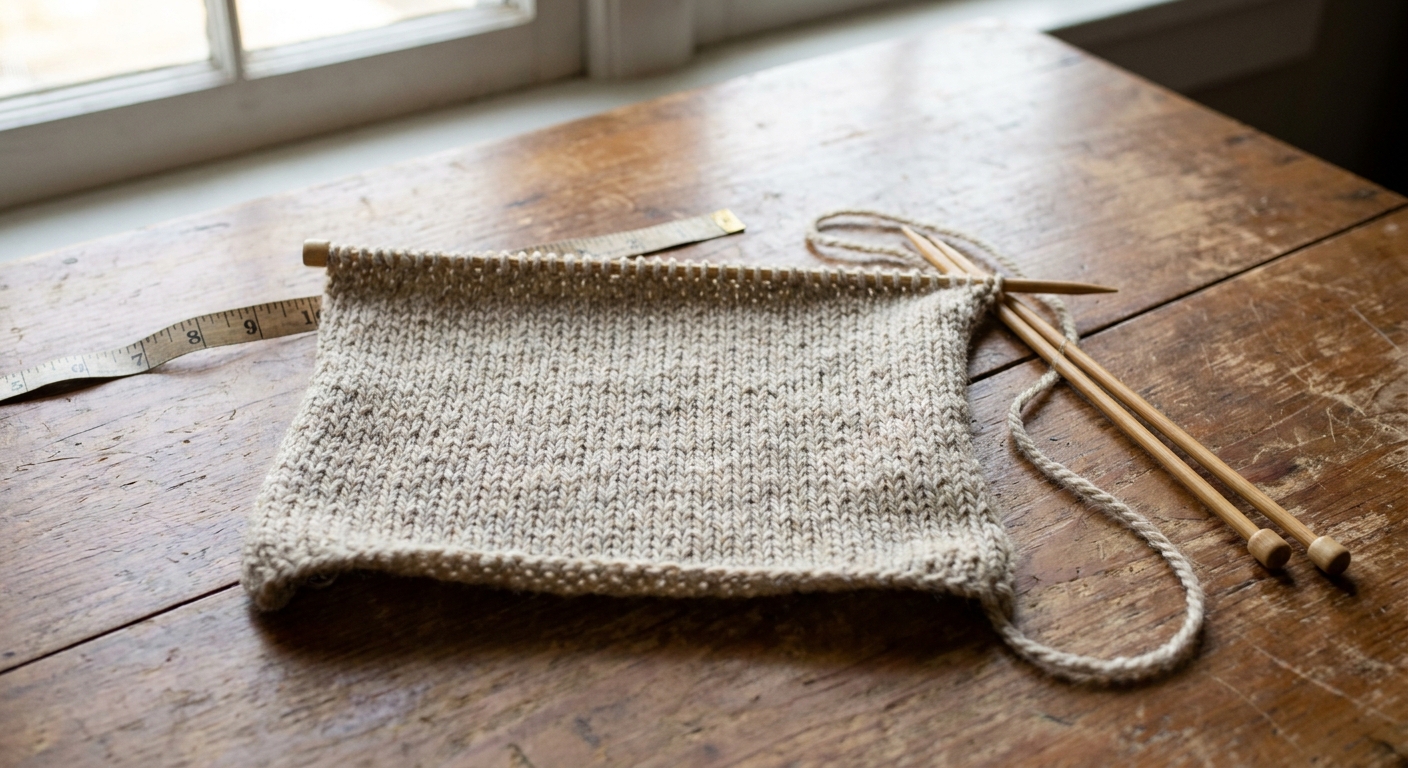
- Make a larger swatch than usual. Aim for at least 5 to 6 inches square after washing, because halo makes measuring trickier.
- Wash and dry it. Even a quick soak and lay-flat dry shows you how the halo blooms.
- Measure stitch and row gauge. Do not guess. If you knit, my full method is in How to Knit and Block a Gauge Swatch.
- Check drape. Hold the swatch up, scrunch it, and let it hang. Does it swing or stand up?
- Do a rub test. Gently rub the swatch between your hands. Heavy shedding now is a warning for later.
Needle and hook size
There is no single perfect needle or hook size for fingering plus mohair. It depends on the fabric you want.
If you want an airy fabric
- Go up 1 to 3 needle sizes in knitting, or 0.5 to 2 mm in crochet.
- Look for a fabric that is cohesive but not board-stiff.
If you want a dense fabric
- Stay close to the recommended size for the base yarn, or only size up slightly.
- Be careful: too dense with mohair can feel bulky and can pill faster from friction.
A reality check on yardage
When you hold two strands together, you use roughly the same length of each strand across the sections you hold double. So if your sweater uses 1,200 meters of fingering yarn held with mohair throughout, plan on about 1,200 meters of mohair too.
This is where mohair put-up matters. A silk mohair skein is often something like 210 to 250 meters per 25 grams, so the number of skeins will not match your base yarn skein count. The cleanest way to plan is to compare meters, not skeins. If you are doing mohair only at the yoke or as trim, calculate just those sections.
Crochet tips
I crochet with mohair a lot, and I will say it plainly: crochet plus mohair can be extra grabby. The texture is worth it, but a few adjustments make it much more relaxing.
- Choose simpler stitches. Mohair shines in half double crochet, double crochet, moss stitch, and basic granny-style motifs. Highly textured stitches can disappear under halo.
- Use a slightly larger hook. This reduces splitting and keeps you from fighting the yarn.
- Count stitches as you go. Halo can make it harder to spot missed stitches later.
- Consider lining for bags. Mohair can fuzz with friction, so for something like a tote, you might pick a non-halo yarn instead. My sturdy go-to is in Sturdy Market Tote Bag Crochet Pattern.
Knitting tips
- Mind your floats and carries. If you are carrying yarn up the side (stripes, shaping), mohair can catch. Keep carries tidy and not too tight.
- Try a lifeline on fitted pieces. Frogging mohair is possible, but it is slower. A lifeline is cheap insurance.
- Block gently. Aggressive stretching can make the halo look sparse in some areas and dense in others.
If you are planning a sweater and deciding fiber content, it can help to read Wool vs Acrylic Yarn for Sweaters. Adding mohair changes the warmth and the care routine, so it is good to choose the base fiber with intention.
Joining new yarn
This is the little practical detail that can make holding double feel fussy. When you run out, you are joining two strands, not one.
- Join one strand at a time. I like to add the new base yarn first, work a few stitches, then add the new mohair. This avoids four ends landing in the exact same spot.
- Overlap and keep going. For most projects, simply overlapping the old and new strand for a few inches works well. Then weave in ends later.
- Spit splice is fiber-dependent. It works best on non-superwash wool. It will not work reliably on silk mohair, cotton, or most superwash bases, so do not force it.
- Weave ends separately. Treat the base yarn end and the mohair end like their own little missions. It looks neater and helps prevent a bulky lump.
Troubleshooting
I keep dropping the mohair strand
- Wind the two strands together into one cake.
- Or place a removable stitch marker on both strands near the working area as a visual cue. If you only see one strand past the marker, you dropped the other.
My stitches look uneven
- Swatch again with a larger needle or hook. Mohair usually wants a bit of room to settle.
- Make sure both strands feed smoothly. If one ball is snagging, tension will vary.
It sheds everywhere
- Some shedding is normal, especially while knitting or crocheting.
- Wash and dry your swatch and then do the rub test again. If shedding stays heavy, consider a different mohair brand, or use mohair only at cuffs, collars, or as an accent.
I need to frog and it is a fuzzy disaster
- Go slowly, in bright light.
- Some knitters and crocheters find it helps to bag the work (to prevent moisture) and pop it in the freezer for 30 to 60 minutes. The cold can make the halo feel a little less grabby while you unravel.
- Wind the reclaimed yarn gently around your hand instead of yanking it into a ball.
My stitch definition disappeared
- Choose a lighter mohair, or a less fuzzy brushed yarn, next time.
- Use a matching-color mohair instead of high contrast.
- Save mohair for simpler stitch patterns where the fabric is the star.
Where mohair looks best
If you are deciding what to make first, here are projects where I think silk mohair really earns its keep:
- Simple sweaters and cardigans: stockinette or basic crochet stitches become luxurious.
- Scarves and cowls: halo plus warmth, and fewer fit variables.
- Shawls and wraps: especially in open, airy stitch patterns.
- Hats: a single color becomes rich and plush, but swatch so it is not too warm.
If you are in a planning mood, I am a big fan of jotting your pairing and swatch notes down before you begin. It saves so much second-guessing later. I use the same habit I describe in Make a Project Card Before Starting Crochet.
FAQ
Does holding silk mohair double always change the yarn weight?
Usually, yes, but not in a neat one-step jump like fingering becomes DK every time. The mohair adds bulk and loft, but it is airy bulk. The best way to know is to swatch, wash, and measure.
Can I substitute mohair for another strand like alpaca lace?
You can, but the look will be different. Alpaca lace can add softness and warmth with less fuzz, and it can drape more heavily. Mohair tends to be springier and more visibly haloed. If you are curious about alpaca’s behavior, you might like Alpaca Yarn for Knitters: Warmth, Drape, Best Projects.
Will mohair bother sensitive skin or allergies?
It depends on the person and the mohair. Some people find it itchy at the surface. Others react to airborne fibers or feel irritated while they work. If you are sensitive, try a small project first, work in a well-ventilated space, and avoid rubbing the fabric against your face while you test it. Using mohair as trim instead of the full fabric can also be a good compromise.
Is it okay to mix fibers for care instructions?
Yes, just follow the care needs of the most delicate fiber in the blend. Silk mohair and wool blends often prefer hand washing and gentle drying. If you need a refresher, I walk through safe washing and blocking in How to Wash and Block Hand Knit Wool Garments.
A final reminder
Mohair can feel intimidating because it is fancy and fuzzy and sometimes expensive. But holding yarn double is not a pro-only trick. It is just two strands and a bit of patience. Swatch, finish the swatch the way you will finish the project, and trust your hands. If the fabric makes you want to keep touching it, you are on the right track.