
Alpaca Yarn for Knitters: Warmth, Drape, Best Projects

I love alpaca the way I love a really good cup of tea: comforting, a little luxurious, and capable of warming you up fast. The first time I knit with it, I expected “soft wool.” What I actually got was a fabric that wanted to flow, a halo that blurred my stitch definition, and a finished piece that felt warmer than it looked. If you are a knitter eyeing an alpaca skein and wondering what it wants to become, you are in the right place.
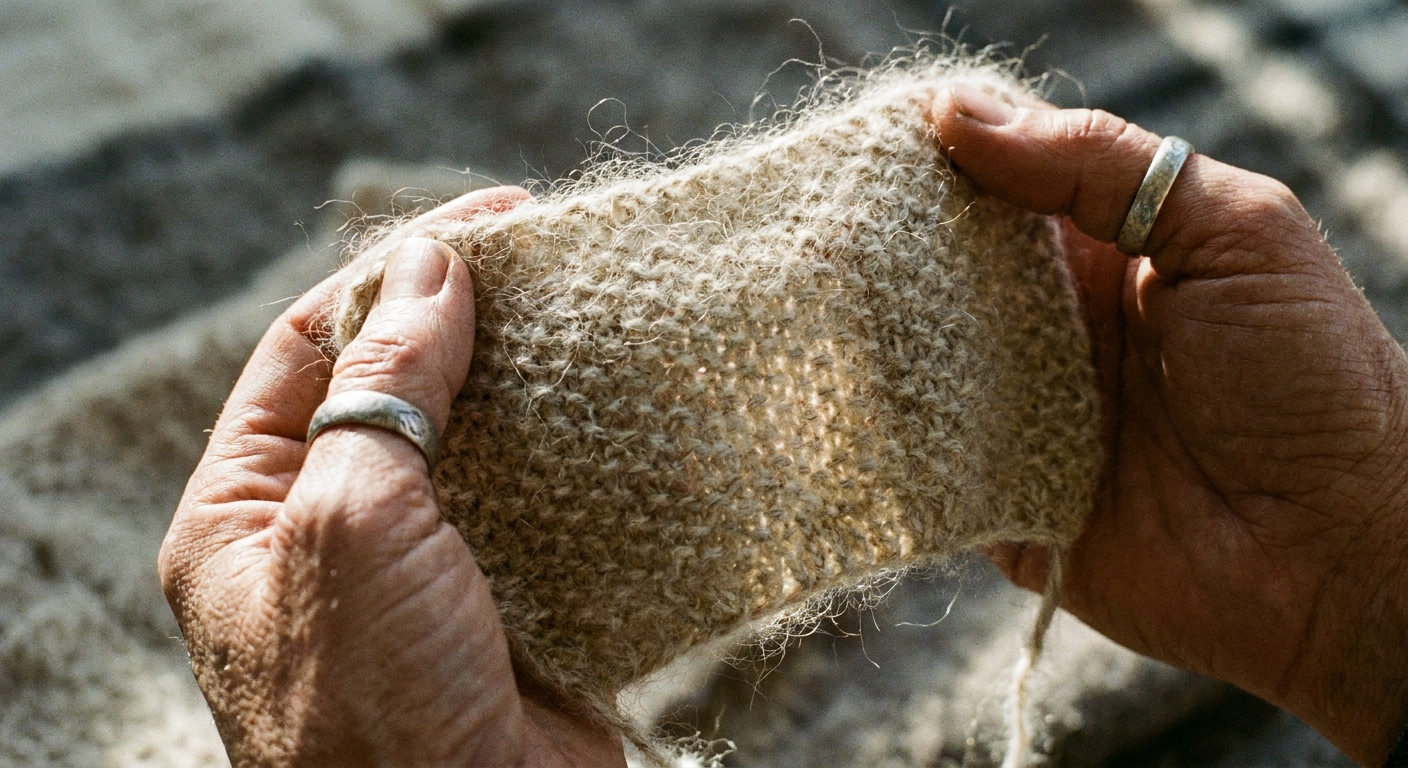
What alpaca is
Alpaca fiber comes from alpacas (there are two main types you will hear about: Huacaya and Suri). Huacaya, which is crimpy and airy, is more common in commercially available yarns. Suri is silkier and tends to drape even more. Regardless of type, alpaca behaves differently than sheep wool because the fiber structure and elasticity are different.
- It is warm for its weight. Alpaca often feels surprisingly toasty, although warmth depends on the yarn’s loft, blend percentage, and your gauge.
- It has less “spring” than wool. Wool’s natural crimp acts like little springs. Alpaca is smoother and often less elastic, so stitches can relax and lengthen with wear.
- It tends to drape. That heavy, fluid hang is the signature many knitters fall in love with.
- It often has a halo. Many alpaca yarns bloom or fuzz slightly, which can soften texture and blur crisp stitch patterns.
- No lanolin, but sensitivities still vary. Alpaca does not contain lanolin the way sheep wool does, which can matter for some people. That said, “itchy” can come from fiber diameter, guard hairs, dye, or personal sensitivity, so a quick wear test is still smart.
If you are deciding between animal fibers for a garment, our thoughts on elasticity and long-term wear in wool vs acrylic yarn for sweaters can help you think through recovery and shape holding. Alpaca sits closer to the “drapey and cozy” end of the spectrum.
Why alpaca drapes
When knitters say alpaca “drapes,” we usually mean three things are happening at once:
- Weight: Alpaca can feel denser than you expect, especially in DK and heavier weights. That weight encourages fabric to hang and lengthen.
- Low bounce: With less elastic recovery, stitches do not snap back the way they do in springy wool.
- Relaxation after washing: After blocking and a few wears, many alpaca fabrics settle. This is lovely for shawls and elegant cardigans, and tricky for fitted pieces that depend on structure.
My practical rule: if your project needs to stand up, alpaca alone might fight you. If your project is meant to flow, alpaca is in its element.
Warmth and layering
Alpaca’s warmth is real. A cowl knit in alpaca can feel like a built-in space heater, and a sweater can become your “I cannot get warm today” favorite. The flip side is that alpaca can be too warm for high-movement wear or mild climates, especially in heavier gauges or dense stitch patterns.
Tip from my own stash habits: if you are knitting alpaca for indoor wear, consider a lighter yarn weight, a more open stitch pattern, or both. Lace and airy textures are not just pretty in alpaca, they are temperature control.
Best projects for alpaca
These are the project types where alpaca’s drape, warmth, and softness feel like a feature, not a surprise.
1) Shawls and wraps
Alpaca makes shawls that fall beautifully around the shoulders. It can block nicely for gentle shaping, but it also relaxes, so block to measurements and do not over-stretch or over-pin if you want to keep the size under control.
- Great for: simple lace, eyelets, garter-based shapes, bias shawls
- Watch for: very intricate lace motifs may lose crispness if the yarn blooms a lot
2) Cowls and scarves
This is where alpaca shines for many knitters. A basic stitch pattern can look elevated just because the fiber looks so lush.
- Great for: ribbing (soft ribs), seed stitch, broken rib, simple cables
- Watch for: scarves can grow in length over time, especially if knit loosely
3) Drapey cardigans and open-front layers
If you want that “falls off the hanger like fabric” vibe, alpaca is your friend. Think pieces that skim the body rather than hug it.
- Great for: relaxed silhouettes, drop shoulders, simple stockinette with clean finishing
- Watch for: sleeves and fronts can lengthen, so consider knitting sleeves a touch shorter than your ideal or plan for a firm hem treatment
4) Hats, with one caveat
Alpaca hats can be wonderfully warm, but they can also get slouchier than intended because of lower elasticity.
- Great for: slouch beanies, textured hats where softness is the goal
- Watch for: fitted brims. A folded brim in alpaca can relax. Blends help a lot here.
5) Baby blankets and gentle accessories
Alpaca can be wonderfully soft against skin. For babies, the main consideration is care and durability. Many knitters choose an alpaca blend for easier washing and better recovery.
If you are thinking about fiber choices for sensitive skin, you may also like our crochet-side yarn notes in beginner shell baby blanket pattern and hypoallergenic yarn tips. The principles of softness and practicality carry over nicely to knitting.
When alpaca is tricky
I do not believe in “never,” but I do believe in choosing yarn that cooperates.
- Fitted sweaters with negative ease: Alpaca can relax and grow, especially in the body and elbows. A wool or wool blend often holds shape better.
- Socks: Pure alpaca is generally too low-bounce and not abrasion-resistant enough for hard-wearing socks. If you see alpaca sock yarn, it is usually blended with nylon and often wool.
- Structured bags and home decor that must hold its shape: Alpaca’s drape works against structure unless reinforced or blended.
- Crisp colorwork where you want sharp motifs: The halo can soften edges. It can still be gorgeous, just more watercolor than pixel art.
If you still love the look of alpaca for one of these categories, this is where blends and smarter gauge choices do a lot of heavy lifting.
100% alpaca vs blends
Alpaca comes in a range of spins and blends, and those details matter as much as the label.
100% alpaca
- Best for: shawls, wraps, cowls, drapey cardigans, special-occasion knits
- Expect: maximum drape and warmth, lower stitch memory, more potential for growth
Alpaca and wool
- Best for: sweaters, hats, mittens where you want warmth plus recovery
- Expect: more bounce and shape-holding, still soft with some alpaca glow
Alpaca and silk
- Best for: elegant shawls and lightweight layers
- Expect: extra drape and sheen, sometimes even less elasticity
Alpaca and acrylic or nylon
- Best for: budget-friendly softness, easier care, durability additions (especially nylon)
- Expect: less delicate feel than luxury blends, but often very practical for daily wear
Swatching: my hang test
If there is one place alpaca rewards patience, it is the swatch. Alpaca can look perfect right off the needles, then relax after washing and drying. Here is my simple approach:
- Knit a generous swatch. At least 5 to 6 inches square, bigger if you can stand it. Tiny swatches lie.
- Block it the way you will treat the finished item. Wash or soak, then lay flat to dry. If you plan to steam block, do that on the swatch too.
- Do a hang test. Clip the swatch to a hanger or clothespin it to a line for a couple of hours. This mimics gravity on a garment. Measure before and after.
- Measure row gauge, not just stitch gauge. Alpaca growth is often a length story, so track your rows per inch before and after blocking. For garments, I like to note the swatch length in inches too.
- Check stitch definition after blocking. If the halo blooms a lot, choose simpler textures or larger motifs.
If the swatch grows noticeably in length, you have three levers to pull: go down a needle size, choose a firmer stitch pattern (ribbing, garter, textured stitches), or switch to a blend with more bounce.
Needles and stitch patterns
Needle material
- Wood or bamboo needles: Often my first pick for alpaca. They add a touch of grip, which helps with smooth fibers.
- Metal needles: Great if you knit tightly and want speed, but very slippery alpaca can feel like it is trying to escape.
Gauge choices
Alpaca can look lovely at a slightly looser gauge, but too loose can encourage extra growth. If you are knitting something that must keep its dimensions, aim for a fabric that feels supported, not airy. For garments, I also plan with length in mind, especially sleeves. If your blocked swatch lengthens in the hang test, that is your cue to build in a little “shrink insurance” before you commit.
Stitch patterns
- Beautiful in alpaca: garter stitch, ribbing (especially broader ribs), seed stitch, simple cables, clean stockinette with excellent finishing
- Use caution: very crisp twisted stitches or tiny lace motifs if your yarn has a big halo
Care and blocking
Always check the label first, but in general alpaca appreciates gentle handling.
- Wash gently: Cool to lukewarm water, minimal agitation. This protects the fiber and reduces unwanted fuzzing.
- Support when wet: Wet alpaca is heavier and more likely to stretch. Lift it like you would lift a sweater, not like you would lift a dishcloth.
- Dry flat: Shape it, pat it into measurements, and let it dry undisturbed.
- Be cautious with hanging storage: Hanging can lengthen garments over time. Folding is often kinder.
Quick alpaca FAQ
Does alpaca pill?
It can, especially in high-friction areas or if the yarn is softly spun. A tighter twist and thoughtful garment design (less rubbing under arms, for example) can help.
Is alpaca itchy?
Many people find it softer than wool, but sensitivity varies. Some alpaca yarns contain guard hairs that can feel prickly, which is more common in coarser grades and can vary by mill. If you are sensitive, try a next-to-skin swatch test tucked into a collar for an hour.
Will an alpaca sweater grow?
It can, especially in length. The hang test on your blocked swatch is the best predictor. Blends with wool often behave more predictably for fitted sweaters.
Is alpaca good for beginners?
Yes, especially for scarves and cowls. Just choose a smooth, plied yarn (not overly fuzzy) in a light color so you can see your stitches, and swatch so your finished size does not surprise you.
More knitting help
If you are building your knitting toolbox beyond fiber choices, take a peek at our knitting guide. I keep it focused on the practical stuff that makes projects smoother from cast-on to finishing.