
Beginner Shell Baby Blanket Pattern and Hypoallergenic Yarn Tips

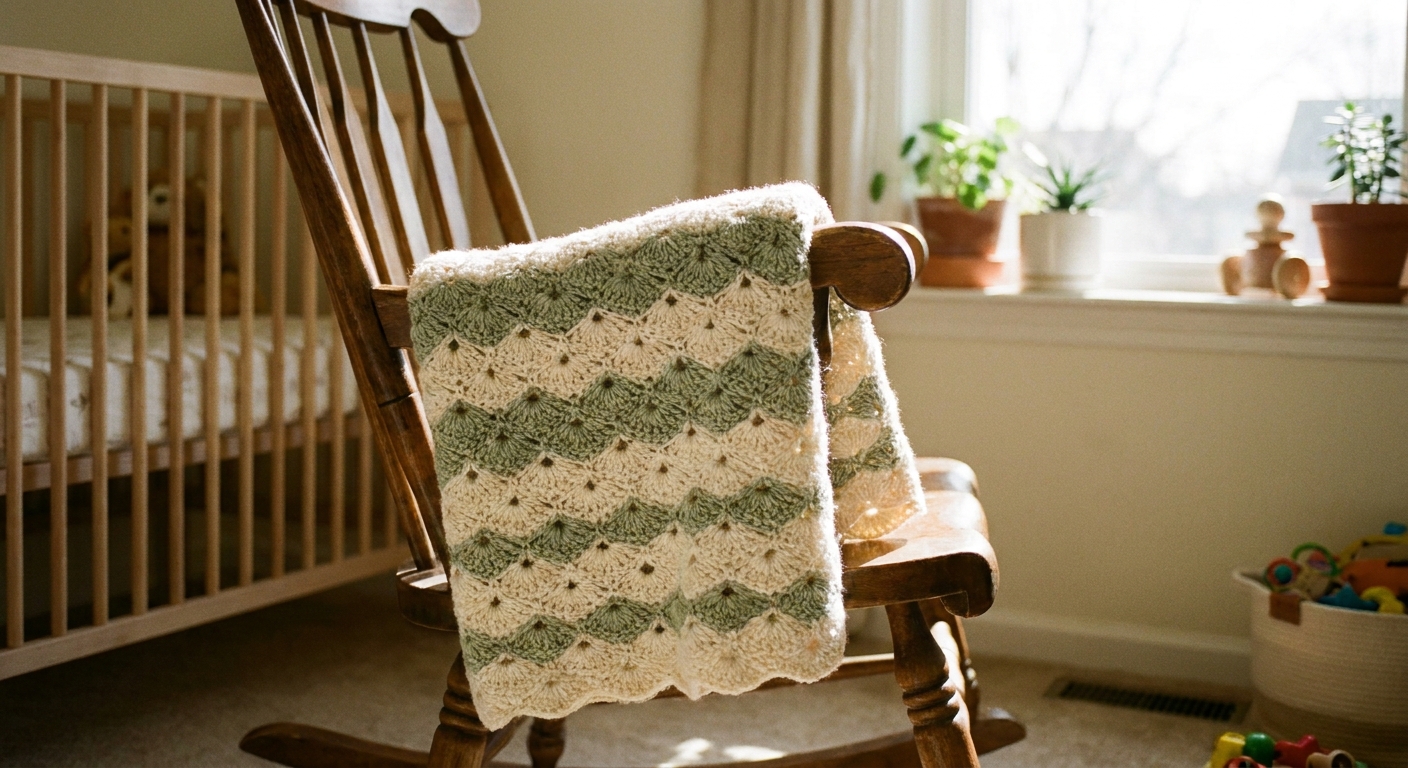
I still remember the first baby blanket I made: I chose the sweetest pastel yarn in my stash, stitched for days, and then realized after the first wash it felt a little scratchier than I wanted. That was my early lesson in baby blanket crochet: the stitch pattern matters, but the yarn choice matters just as much, especially when you are crocheting for sensitive skin.
Below you will find a simple, soothing shell stitch blanket pattern that is beginner-friendly and wonderfully rhythmic, plus the yarn selection checklist I use when I want a blanket to be soft, machine-washable, and as gentle as possible.
What hypoallergenic means
Let’s gently clear up a confusing label: in marketing, “hypoallergenic” does not mean “allergy-proof.” It usually means a fiber is less likely to irritate sensitive skin compared to other options. For baby blankets, irritation is often more about texture, finishing chemicals, and laundry realities than it is about a true fiber allergy.
My goal is always the same: a yarn that feels smooth against cheeks and hands, holds up to frequent washing, and does not shed fuzz that can tickle noses.
Baby-friendly fibers
- Soft acrylic: Often a top pick because it is durable, widely available, and usually machine-washable and machine-dryable. Choose a “baby” line or a premium acrylic that feels smooth, not squeaky.
- Cotton: Breathable and easy to wash. It can feel cool and crisp at first, but many cottons soften after washing. Watch for stiffness and weight, since cotton blankets can get heavy.
- Cotton blends (cotton-acrylic or cotton-bamboo blends): A nice middle ground when you want cotton’s breathability with a bit more drape and softness.
- Superwash wool: Warm and springy, but it can still bother very sensitive skin. Many superwash yarns are machine washable, but results vary, so follow the label closely and avoid hot water or high heat unless it is clearly allowed.
If you want a broader refresher on yarn categories and how patterns are written around them, my site guide can help: Yarn Crafts Guide.
Yarn checklist for sensitive skin
When I’m standing in front of a wall of yarn (or scrolling online), these are the questions I mentally run through before committing.
1) Laundry friendly
Baby blankets are not “special occasion” items. They get washed often. Look for yarn labeled:
- Machine washable (ideally gentle or normal cycle)
- Machine dryable (low is still helpful)
- Colorfast
If the label reads like a nervous whisper (hand wash only, lay flat, reshape, do not tumble), I skip it for baby gifts unless the parents specifically want that fiber.
2) Soft after rubbing
This is my go-to “craft circle test.” Gently rub the yarn across the inside of your wrist or along your cheek. If it feels even a tiny bit scratchy in the skein, it rarely becomes magically buttery after you crochet an entire blanket.
3) Low shed and low fuzz
Some novelty yarns and very fuzzy fibers can shed. For baby blankets, I prefer a smooth strand with minimal halo. It keeps the blanket looking clean and helps avoid linty fuzz balls after repeated washing.
4) Mild finish
Many yarns are treated or finished in different ways. If a yarn has a strong chemical smell right out of the skein, I avoid it for baby items. Trust your senses.
Shell stitch blanket pattern
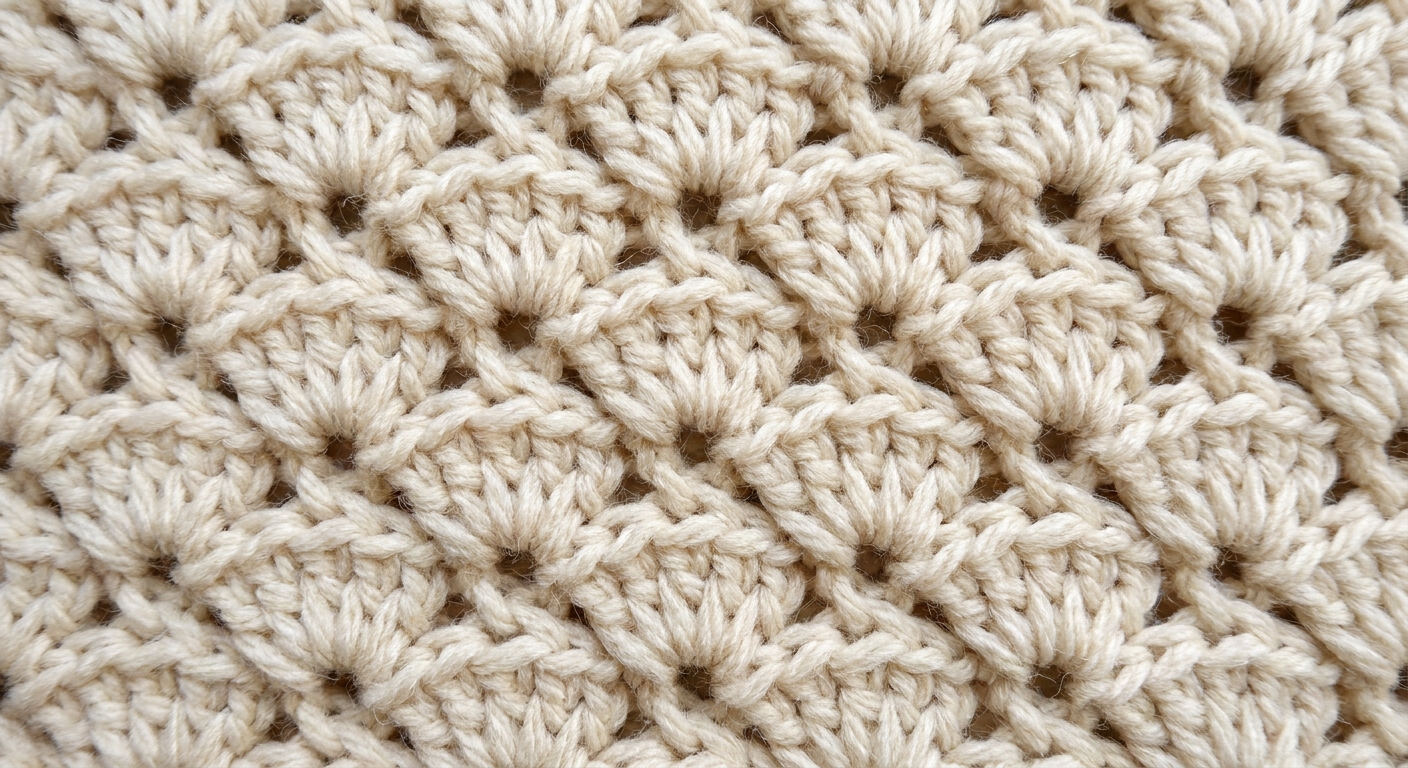
This is a true staggered shell stitch: you place shells into the single crochets from the row below, and you place single crochets into the center double crochet of each shell. The stagger happens naturally once the edges are set up correctly.
Finished size
- Stroller blanket: about 30 x 36 in
- Crib blanket: about 36 x 48 in
Sizes vary with yarn, hook, and how tightly you crochet. That is completely normal.
Materials
- Yarn: Worsted weight (#4) soft acrylic, cotton, or cotton blend
- Amount (approximate):
- Stroller size: 900 to 1100 yards
- Crib size: 1100 to 1400 yards
- Hook: 5.0 mm (H/8) or 5.5 mm (I/9) for softer drape
- Scissors, yarn needle
Stitches (US terms)
- ch = chain
- sc = single crochet
- dc = double crochet
- sk = skip
- st(s) = stitch(es)
Pattern notes
- Shell = 5 dc in same stitch.
- The stitch pattern repeat is built from a shell and an anchor sc. Your anchor sc always lands in the center dc of the shell below.
- Turning chains matter in this pattern. I note when a turning chain counts as a stitch.
Gauge (rough target)
I prioritize drape over perfect gauge, but having a ballpark helps sizing. With worsted weight yarn and a 5.5 mm hook, a 4 x 4 in swatch in pattern is often around 12 to 14 stitches and 6 to 7 rows. If your fabric feels stiff or tight, go up a hook size. If it feels holey, go down a hook size.
Foundation chain
Ch a multiple of 6 + 2. This gives you the right number of stitches after you work into the second chain from the hook, so Row 1 can repeat cleanly and still end correctly.
- For a stroller size starting point, try ch 128 (6 x 21 + 2).
- For a crib size starting point, try ch 164 (6 x 27 + 2).
If you like to size as you go, that works too. Just keep the multiple-of-6-plus-2 rule.
Row 1 (setup shells)
Sc in 2nd ch from hook.
After that first sc, repeat across: sk 2 ch, 5 dc in next ch, sk 2 ch, sc in next ch.
You should end with a final sc in the last chain. Turn.
Row 2 (stagger)
This row starts with a half shell at the edge so the shells can nest properly.
Ch 3 (counts as dc), 2 dc in first sc (half shell made).
Repeat across: sk 2 dc, sc in next dc (center dc of next shell), sk 2 dc, 5 dc in next sc (the sc between shells).
End of row: after your last 5-dc shell, sk 2 dc, sc in next dc (center dc), sk 2 dc, 3 dc in last sc. Turn.
Row 3
Ch 1, sc in first dc (the first dc of the half shell). This ch 1 does not count as a stitch.
Repeat across: sk 2 dc, 5 dc in next sc, sk 2 dc, sc in next dc (center dc of shell).
End with sc in the top of the turning ch-3 from the previous row. Turn.
Repeat
Repeat Rows 2 and 3 until the blanket measures your desired length.
Simple border (optional)
If you want a clean frame, this is my no-fuss favorite for baby blankets.
- Round 1: Ch 1 and sc evenly around the entire blanket, working (sc, ch 1, sc) in each corner.
- Round 2: Ch 1 and sc in each sc around, working (sc, ch 1, sc) in each corner ch-1 space.
Side tip: along the long edges, work 1 sc into each row-end stitch as a starting point, then add or skip an occasional stitch as needed to keep the border flat.
Fasten off, weave in ends securely. I weave baby blanket ends more than once because blankets get tugged, washed, and loved hard.
Gauge and drape
For baby blankets, I intentionally prioritize drape over “perfect gauge.” If your shells look tight and stiff, go up one hook size. A slightly larger hook usually makes the fabric:
- Softer
- More flexible for swaddling and cuddling
- Less likely to feel bumpy against sensitive skin
If you want an easy way to stay organized while you test hook sizes and yarn options, I recommend making a simple project card before you begin: Make a Project Card Before Starting Crochet.
Washing for softness
Even when a yarn says “machine washable,” how you wash it still matters. My gentle routine:
- Wash cold or warm on gentle.
- Use a fragrance-free detergent if the baby has sensitive skin.
- Skip fabric softener if it leaves residue (residue can feel waxy and may irritate some skin).
- Tumble dry low if allowed, then remove promptly to keep it fluffy.
If you are gifting the blanket, a quick wash before gifting can soften the fabric and remove any manufacturing residues.
Shell stitch fixes
My edges are wavy
This usually means extra stitches sneaked in at the start or end. On Row 2, make sure you end with 3 dc in the last sc, and on Row 3 make sure you end with an sc worked into the top of the turning ch-3.
My shells drift sideways
In the staggered rows, your shells (5 dc) are always worked into the single crochet from the row below. Your single crochet is always worked into the center dc of a shell below. That center dc is your anchor point.
The blanket feels holey
Try a smaller hook size, or switch to a yarn with a rounder, plumper strand. Some cottons are a bit splitty and can open the fabric.
Gentle yarn choices I use
I cannot pick a single “best” yarn for every baby because families have different laundry routines and sensitivities. But for this shell stitch pattern, I usually start here:
- Soft premium acrylic when I want easy care, durability, and a light blanket.
- Cotton-acrylic blends when I want breathability with a bit more drape than pure cotton.
- Smooth 100% cotton when the baby runs warm, with the reminder that cotton blankets can feel heavier.
If you are curious about how fiber content affects long-term wear, my thoughts on wool vs acrylic in a different heirloom context may help you think it through: Best Yarn for Heirloom Crochet Stockings: Wool vs Acrylic.
FAQ
Is cotton always hypoallergenic
Cotton is often a good choice, but the feel depends on the specific cotton and how it is spun. Some are silky; some are firm. Always do the cheek test and the wash test if you can.
Should I avoid scented yarns or heavily dyed yarns
If a baby is known to be sensitive, I lean toward fragrance-free laundry products and yarns without strong odor. Deep, saturated dyes can be perfectly safe, but I like to pre-wash a finished gift blanket to make sure excess dye is not an issue.
Are holes in crochet baby blankets dangerous
For everyday use, blanket “hole size” can be a concern for some families, especially if little fingers catch. Many parents simply prefer a tighter fabric that fingers cannot easily poke through. This staggered shell pattern creates texture without big open spaces, especially when crocheted with a comfortable, not-too-loose tension.
What is the safest way to secure yarn ends
Weave ends in at least two directions through multiple stitches, then trim close. For baby blankets, I avoid relying on knots alone.
More beginner help
If you are building confidence with pattern reading and repeats, you might enjoy browsing our pattern guide here: Guide to Crochet Patterns. And if you want another cozy classic to try after this one, I also have a step-by-step granny square blanket tutorial: Classic Granny Square Blanket Pattern.