Turn hand-dyed hanks into tidy, center-pull cakes without yarn spaghetti. Learn what swifts and ball winders do, setup tips, winding steps, and quick fixes f...
How to Frog a Project and Steam Kinked Yarn

Published · Last updated
I have a little ritual for abandoned projects: I set them on the table, make a cup of tea, and remind myself that frogging is not failure. It is just yarn getting a second chance. Whether you are unraveling a half-finished scarf from the back of your closet or reclaiming yarn from a thrifted sweater, the process is the same: frog calmly, keep the yarn organized, and then relax those stubborn kinks so it behaves for the next cast-on or starting chain.
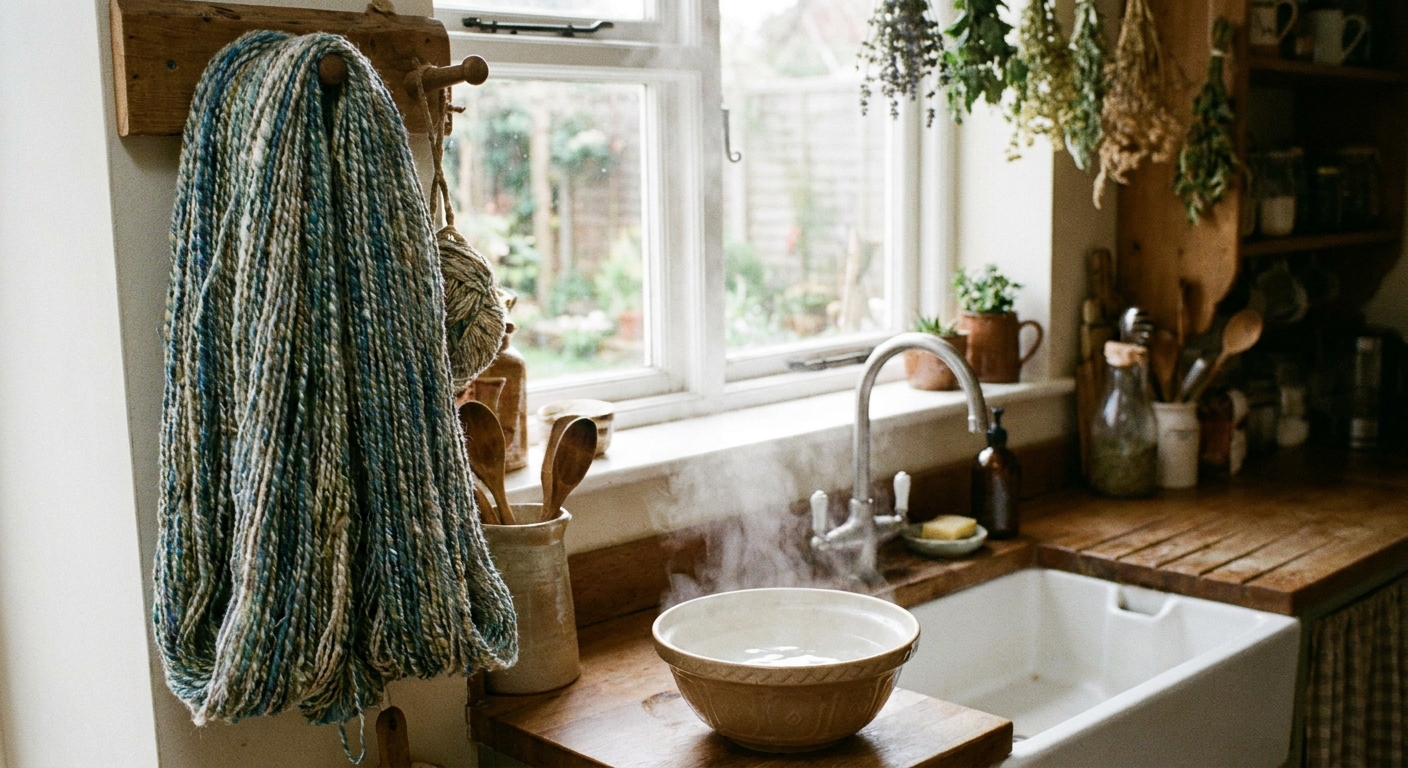
Before you frog: a quick yarn check
Two minutes of prep can save you from a snapped strand or a felted mess.
1) Identify what you are unraveling
- Handmade crochet or knitting: usually straightforward, especially if it was made with a smooth yarn and not aggressively felted.
- Thrifted sweater: can be wonderful yarn, but construction details matter. Many sweaters are cut and serged (stitched and trimmed) rather than knit in pieces, which makes the yarn nearly impossible to reclaim in long lengths.
2) Do a fiber check before adding heat
If you know the label, great. If not, assume nothing.
- Wool and other animal fibers can felt with heat, moisture, agitation, and pressure. Steam can be safe if you keep the iron or steamer head off the yarn and avoid rubbing, squeezing, or tugging the yarn while it is warm and damp.
- Acrylic can soften or even “kill” its bounce if overheated. Use lower heat, extra distance, and stop the moment it relaxes.
- Cotton and linen usually handle steam well, but they may not lose kinks as dramatically as wool.
If you are uncertain and the yarn is precious, make a tiny test hank from a few yards and steam that first.
Tools that help
- Ball winder (optional but lovely)
- Niddy noddy or the back of a chair for making a hank
- 2 to 4 scrap yarn ties or smooth cotton string (for securing the hank)
- Tapestry needle (to undo seams and weave out ends)
- Small scissors (for snipping only when you must)
- A bowl, kettle, or garment steamer for steam
- A towel and a hanger, shower rod, or drying rack
If you want to keep better notes next time you start a project, I am a big fan of making a simple project card with hook size, needles, yarn, and stitch pattern. I walk through my method here: Make a Project Card Before Starting Crochet.
How to frog without knots
Step 1: Find the real end
The biggest frogging slowdown is tugging the wrong strand. Look for:
- The tail that was woven in (often near the starting chain or cast-on edge)
- A join point between skeins
- The working yarn tail at the last row or round
If ends are woven in tightly, use a tapestry needle to pick them out patiently. I know it is tempting to yank, but yanking is how you get fuzzed-up yarn and surprise breakage.
Step 2: Frog and wind as you go
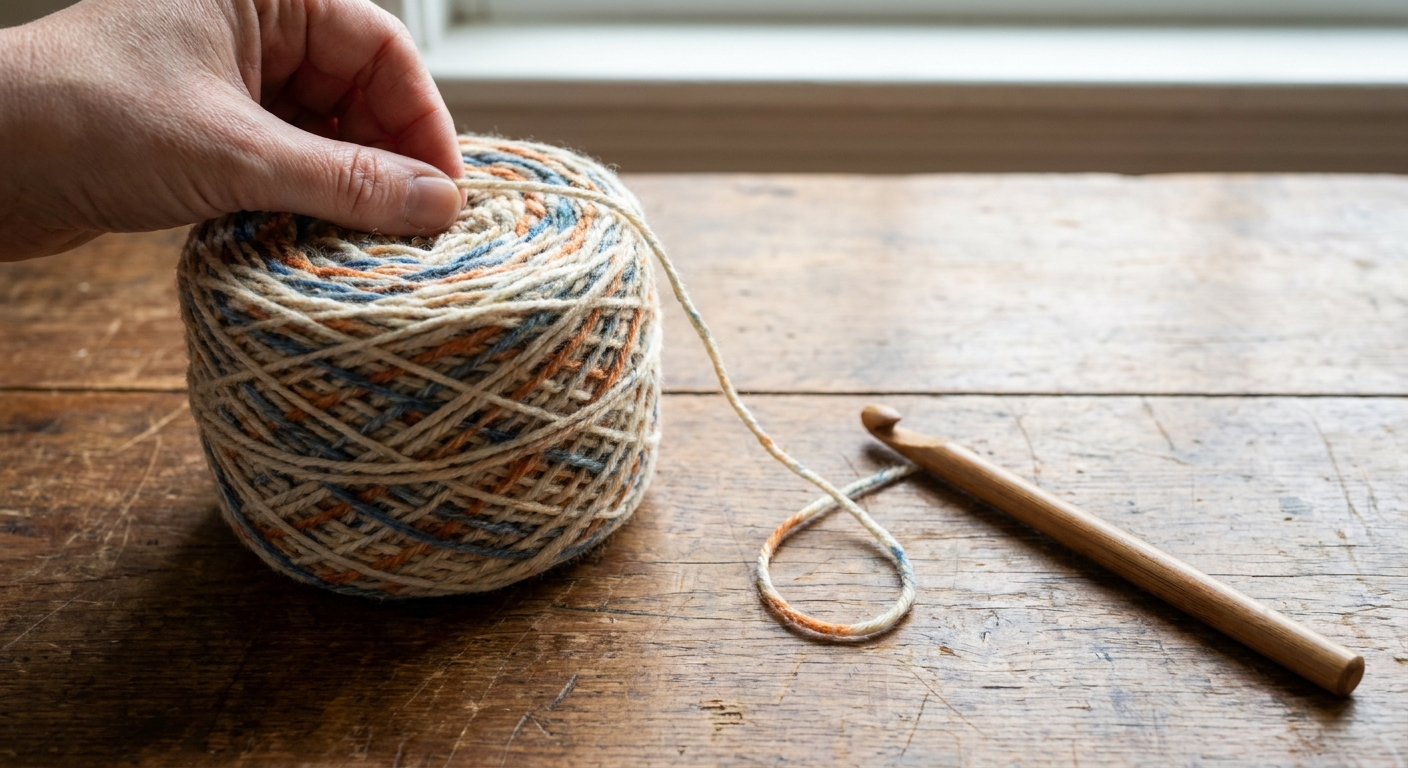
My stress-free method is “frog and wind.” I pull out a comfortable arm’s length, then wind it immediately. This keeps reclaimed yarn from exploding into a tangle pile.
- No winder: wind a ball by hand with light tension. If you want a true center-pull ball, it can take a little practice and some yarns tangle more than others.
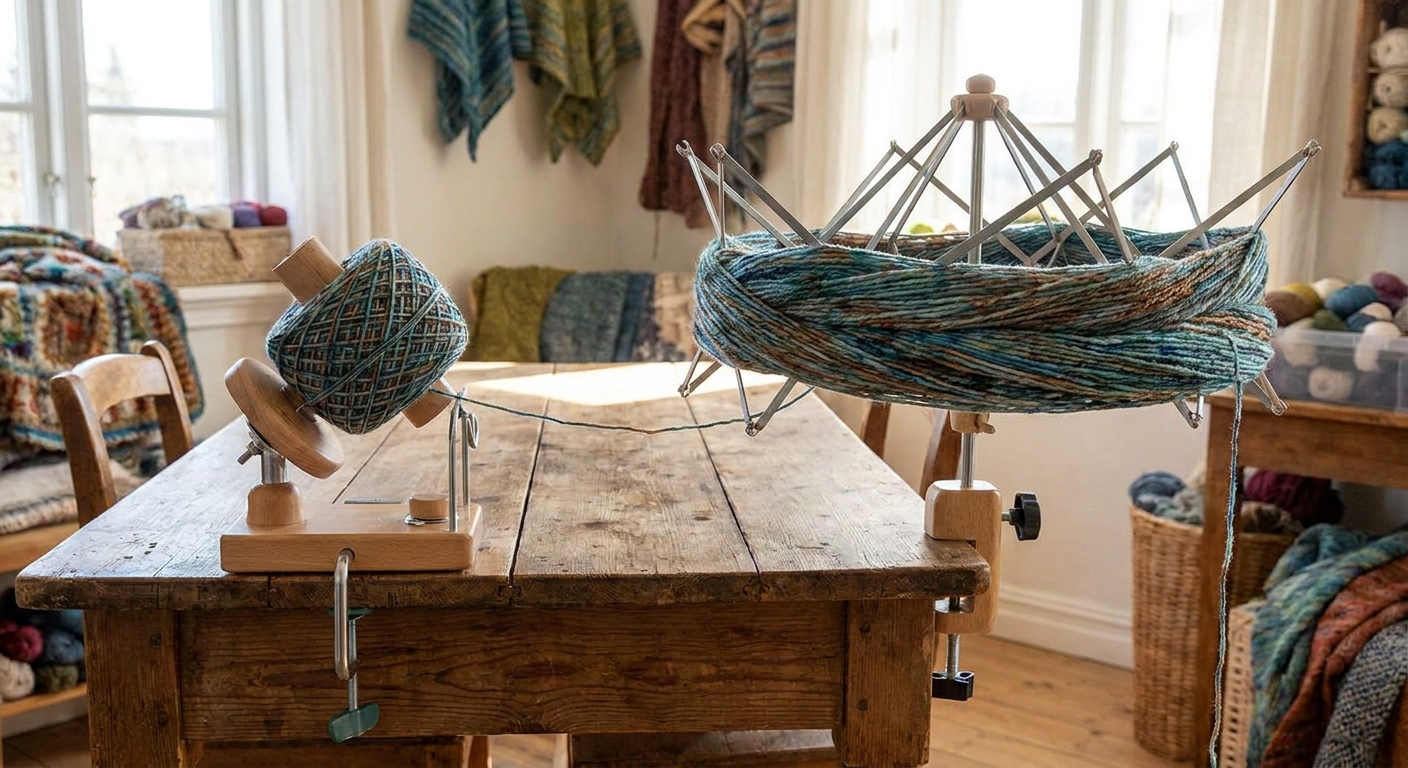
- With a winder: feed yarn with light tension and stop if you feel resistance.
If you are not sure whether center-pull will behave with your particular yarn cake, I break down the pros and cons here: Center Pull vs Outside Pull for Yarn Cakes.
Step 3: Deal with snags gently
If the yarn will not pull freely:
- Stop pulling and look at the stitches right where it is stuck.
- Check for a tacked seam, an accidental split through a strand, or a knot.
- If it is a seam, unpick it with a needle rather than tearing through.
Step 4: Manage twist while you wind
Unraveling can add twist or take twist out, especially if you are pulling yarn from a sweater body that was knit in the round. If the yarn starts to kink up on itself while you wind, pause and let a few feet dangle freely so it can untwist before you keep going.
Step 5: Separate and label sections
When I frog a multi-skein project, I wind each section into its own ball or cake and add a tiny note. At minimum, I jot “Ball A, Ball B.” If it is mystery yarn, I also note my best guess at fiber, any care warnings (like “do not overheat”), and whether it came from a sweater or a project. Future me appreciates it.
Thrifted sweaters: what to look for
Thrifted sweater yarn can be a dream for blankets, hats, and accessories, but only if the sweater is constructed in a yarn-friendly way.
Green flags
- Visible seams that look like they were stitched together from separate pieces
- Yarn that is not heavily fuzzy or felted
- Good yardage potential (adult sweaters can yield a surprising amount)
Red flags
- Cut-and-serged edges: the fabric has been cut and the edge is tightly machine stitched. The “yarn” becomes short lengths.
- Heavy felting: stitches look mashed together and will not separate cleanly.
- Novelty yarns: eyelash, extreme bouclé, or very loosely plied yarn can shed or snap during reclaiming.
My rule: if I cannot find a seam that can be gently unpicked, I do not buy it for reclaiming. I buy it to wear or to upcycle in a different way.
Why reclaimed yarn gets kinky
Yarn holds “memory.” After it has been crocheted or knitted, it remembers those loops and wants to spring right back into them. That is why frogged yarn looks like ramen noodles.
You can absolutely crochet or knit with kinked yarn, but it tends to:
- fight your tension
- split more easily
- make gauge a little unpredictable
- feel rougher on your hands
Steaming or washing and hanging the yarn in a hank relaxes that memory so the yarn feeds smoothly again.
Make a hank first
Steam needs room to reach the strands evenly. If you steam a tight ball, you risk warming only the outside while the inside stays kinked. Worse, heat can set the outside into a slightly flattened shape.
How to hank reclaimed yarn
- Wrap the yarn around a niddy noddy, a swift, or the back of a chair. Keep it loose, not stretched.
- Tie the hank in at least three places using scrap yarn in a figure-eight. Keep ties snug enough to prevent tangling, but not tight enough to dent the fibers.
- If you reclaimed multiple balls, hank them separately so they do not twist together.
How to steam kinked yarn
This is the method I use most often because it is quick, controlled, and does not require fully washing the yarn.
Method A: Kettle or bowl steam
- Bring a kettle or a pot of water to a steady steam. You want steam, not a rolling, splashing boil.
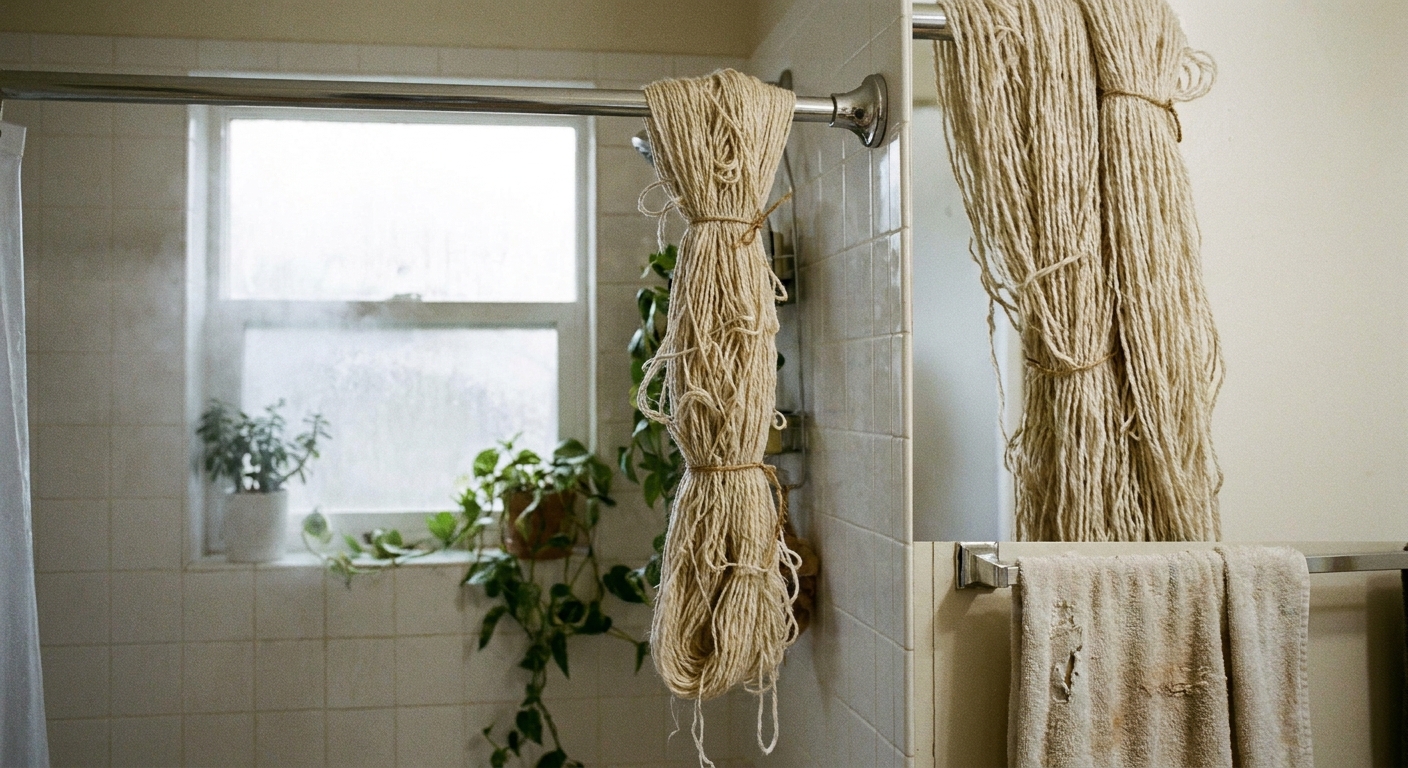
- Hang your hank from a hanger, shower rod, or drying rack so the steam can rise up through the strands.
- Position the hanging hank above the steam (not in the water). Rotate the hanger or turn the hank gently so all sides get exposure.
- Watch the yarn relax. You will see the curls loosen as the fibers warm.
- Let the hank hang until it is fully cool and dry. Cooling in a relaxed state is what helps it stay smoother.
Safety note: Keep hands away from the steam plume, and never leave steaming unattended.
Method B: Garment steamer
- Hang the hank securely.
- Hold the steamer head a few inches away and move continuously, like you are painting with steam.
- Do not concentrate heat in one spot.
- Let the hank cool and dry completely before winding.
Method C: Iron steam
If an iron is what you have, keep it simple and cautious.
- Set the iron to a steam setting appropriate to the fiber.
- Do not press the iron onto the yarn.
- Hold the iron above the hank and steam, moving constantly.
This is especially important for acrylic, which can permanently change if it gets too hot.
When washing beats steaming
Sometimes steam is not enough, or the yarn needs a deeper reset. I choose a wash and hang when:
- the yarn smells musty (thrift finds often do)
- the yarn is sticky or dusty
- the kinks are very stubborn
- I need to relax the fiber before swatching for gauge
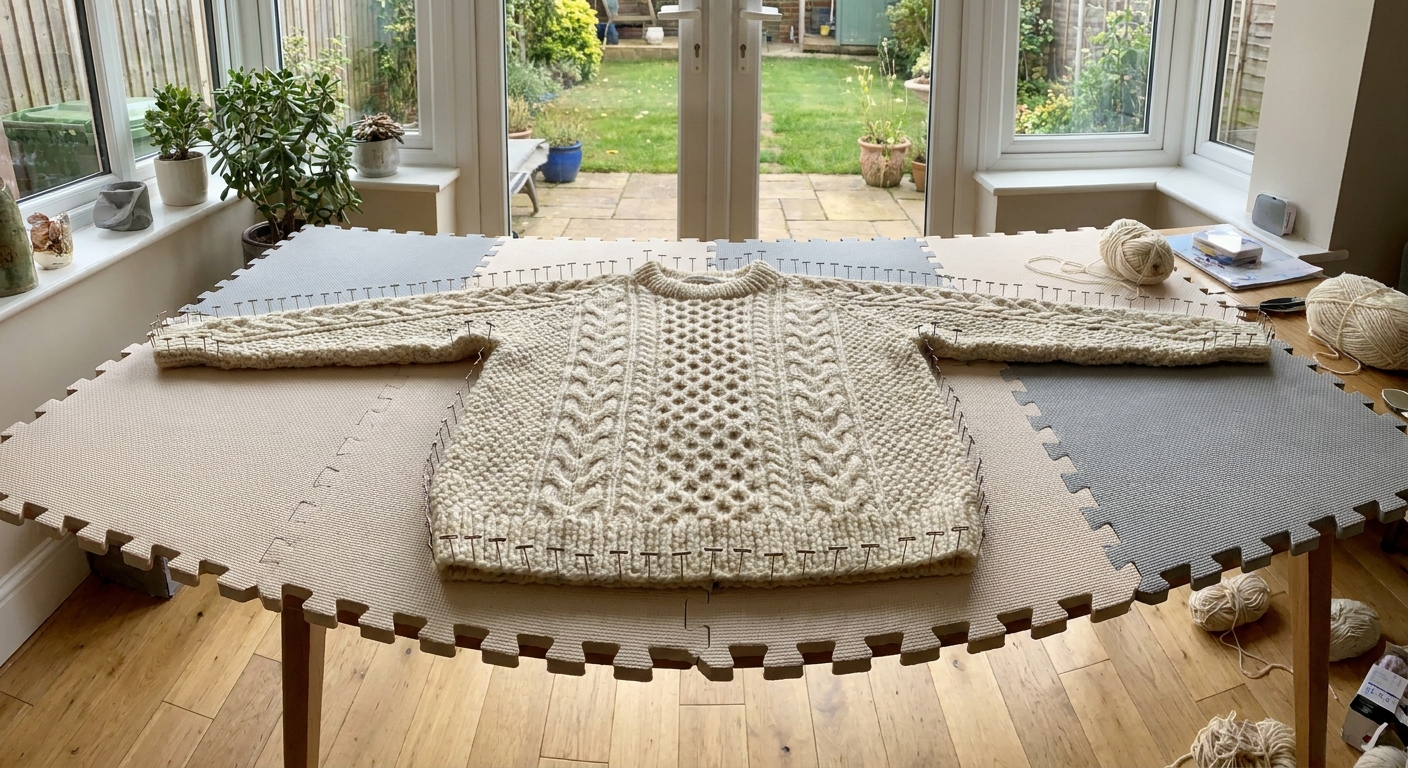
Use lukewarm water and a gentle soak. Avoid agitation, especially for wool. Then roll the hank in a towel to remove excess water, and hang to dry. If you want a deeper dive into fiber-safe care, this guide pairs nicely: How to Wash and Block Hand Knit Wool Garments.
How to dry without stretching
This is the sweet spot: dry enough to be completely stable, but not weighted so heavily that you stretch out elasticity.
- Hang the hank from a hanger or rod.
- If you add weight, use a very small weight like a few clothespins or a light binder clip, and only if the hank is twisting into itself.
- Do not hang a soaking-wet wool hank with a heavy weight. That is how you can permanently lengthen it.
Once dry, wind into a ball or cake and it is ready to use.
Troubleshooting
The yarn still looks wavy
A little wave is normal, especially with plied yarns. If it feeds smoothly and your tension feels good, you are done. If it is fighting you, try a wash and hang instead of more heat.
The yarn feels weaker
Some yarns lose strength after being crocheted, frogged, and handled a lot, especially single-ply or very loosely spun yarn. Use it for low-stress projects (hats, cowls, blankets) rather than high-abrasion items.
The yarn is fuzzy and wants to felt
That is often a woolen-spun or halo yarn. Skip aggressive steaming and avoid handling the yarn while it is warm and damp. A gentle soak and hang is usually safer than lots of steam.
The yarn keeps tangling during winding
- Make sure your hank ties are secure and evenly spaced.
- When winding, keep tension light.
- Pause every few yards and let the yarn untwist if it starts to twist onto itself.
Using reclaimed yarn next
My final step is always a quick swatch. Reclaimed yarn can behave slightly differently than fresh-from-the-skein yarn because it has been stressed, relaxed, and rewound.
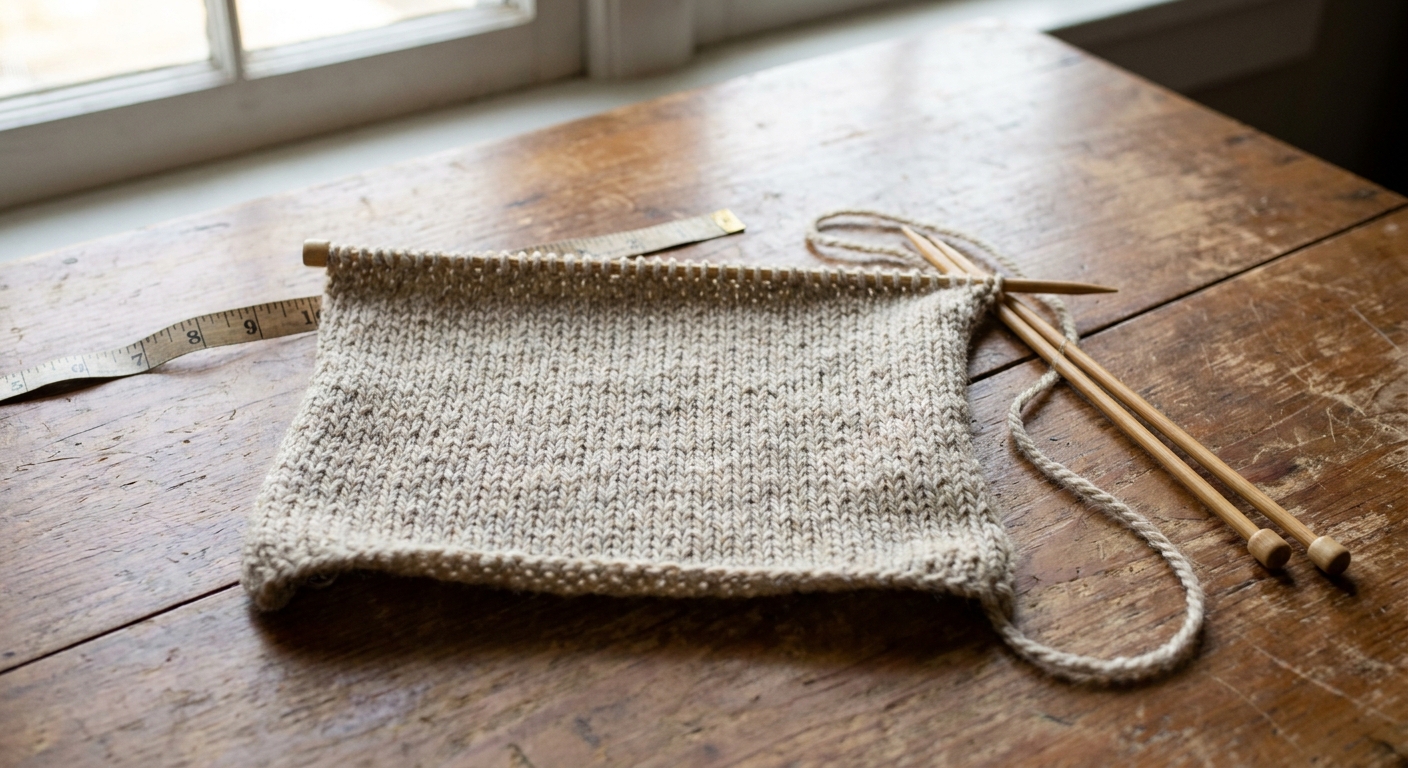
- If you are knitting, a gauge swatch and block is your best friend. Here is my step-by-step approach: How to Knit and Block a Gauge Swatch.
- If you are crocheting, I still recommend a small swatch if fit matters, especially for wearables.
If you need to swap a yarn weight or fiber to make your reclaimed yarn work with a pattern, this guide can help you think it through without guesswork: Yarn Substitution for Knitting Patterns.
Quick FAQ
Can I crochet or knit with kinky yarn?
Yes. It will work, but it may split more and your tension can feel uneven. For anything you want to look polished, I prefer at least a light steam or a wash and hang.
Will steam ruin acrylic yarn?
It can if it is too hot or too close. Keep distance, keep the heat moving, and test a small hank first. If the yarn starts to look limp or overly shiny, back off.
Do I have to hank it first?
For best results, yes. A tight ball blocks steam from reaching the inner layers, and uneven heat is where trouble starts.
How long should I steam?
Long enough for the yarn to visibly relax, then stop. That might be 30 seconds for a light yarn or a few minutes for a thicker, kinkier hank. Rotate as you go, and let it cool and dry completely before winding.