
100% Cotton vs. Cotton Blends for Crochet

When I’m standing in front of my yarn shelves (organized by weight and color, because yes, I am that person), cotton always makes me pause. It’s dependable, cool to wear, and it gives stitches that crisp, “look at me” definition. But it can also feel heavy, grow with gravity, and stubbornly refuse to bounce back.
Cotton blends, especially cotton with acrylic, can be a little more forgiving. They often feel lighter in the hand, tend to recover better after wear, and can be easier on busy hands during long crochet sessions.
Let’s break down the real-world differences between 100% cotton and cotton blends so you can match the right yarn to your garment or decor project without second-guessing every skein.
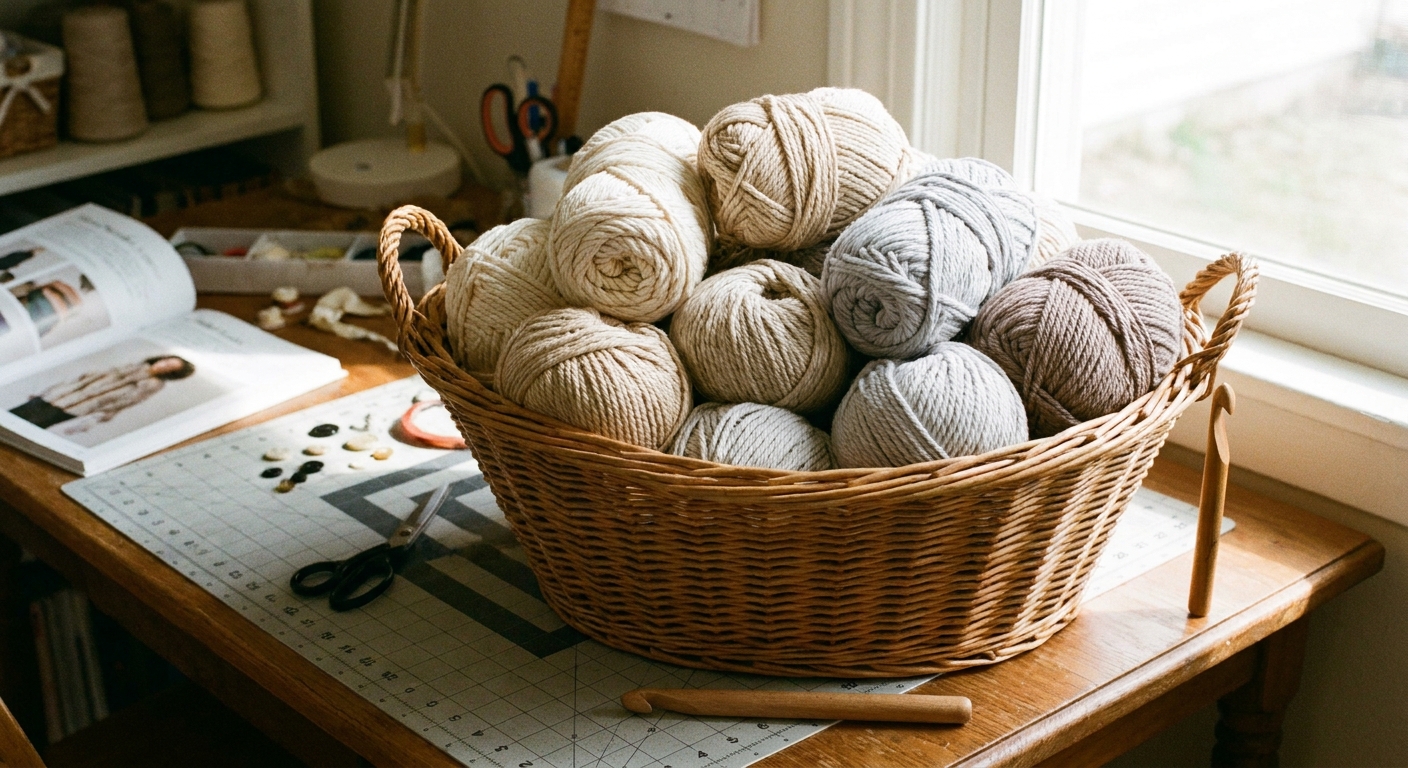
The three traits that matter most
There are lots of differences you can nerd out on (I happily do), but for garments and decor, three traits make or break your finished piece:
- Elasticity: how much the fabric stretches and, more importantly, whether it springs back
- Weight and drape: whether the piece hangs fluidly or pulls downward as it’s worn or used
- Breathability: how comfortable it feels against the skin, especially in warm weather
Elasticity: bounce vs. “it stays where you put it”
100% cotton
Most cotton yarn has very little natural stretch. That’s not “good” or “bad” on its own, but it changes how you should design and size.
- Pros: stable stitches, clean edges, great stitch definition, ribbing that looks tidy
- Cons: cuffs and hems can relax, fitted garments can feel less forgiving, and areas that need recovery (like necklines) can lose shape over time
If you crochet a cotton tee that fits perfectly on day one, it may feel a bit looser after a few wears, especially if it’s longer or worked in a drapey stitch pattern.
Cotton blends (especially cotton acrylic)
Acrylic often adds spring and resilience that cotton alone doesn’t have, but it is not universal. The ply, twist, and stitch pattern still matter a lot. Even so, a modest percentage of acrylic can often improve recovery, which is a fancy way of saying: it bounces back closer to the shape you intended.
- Pros: often better stretch and return, more forgiving fit, edges and ribbing may hold up better
- Cons: sometimes slightly fuzzier stitch definition, and breathability can drop depending on the blend and construction
If you want a garment that moves with you and keeps its silhouette, a cotton blend is often the calmer, less fussy choice.
Quick cotton note: “Cotton” is not one texture. Mercerized cotton tends to be smoother and shinier with very crisp definition, while unmercerized cotton can feel softer and a bit more matte. You can feel that difference immediately in a neckline edging or a lace panel.
Weight and drape: the “gravity test”
100% cotton
Cotton fibers are relatively dense. In practical crochet terms, that means cotton can get heavy fast, especially in:
- long cardigans
- maxi skirts
- wide, oversized tops
- blankets with dense stitches
Cotton also tends to drape with weight. That can be gorgeous for relaxed garments, but it can also cause “length growth,” where your piece gets longer after washing or wearing.
My personal rule: if the pattern is long and you’re using cotton, I always swatch generously and give that swatch a little time to show me what gravity plans to do.
Cotton blends
Many cotton acrylic blends feel less heavy in the finished fabric than pure cotton at a similar thickness. That is not a guarantee (yarn construction can change everything), but blends can reduce that “pulling downward” feeling in wearables.
- For garments: blends often help prevent that “why is my top suddenly tunic-length?” surprise
- For decor: blends can keep items from sagging, especially if they hang (like wall pockets or plant holders)
Breathability: cool comfort vs. cozy warmth
100% cotton
Cotton is the classic choice for warm-weather wear for a reason. It breathes well, absorbs moisture, and tends to feel comfortable directly against skin.
If you are making a summer tank, cotton is often the first yarn I reach for. If you want ideas, you might like our breathable bamboo summer tank top crochet pattern, which also explains how warm-weather fibers behave in real projects.
Cotton blends
Breathability in blends depends on what’s blended in, plus the yarn’s twist and the stitch pattern you choose.
- Cotton acrylic: usually less breathable than pure cotton, but still often comfortable for spring and mild summer days
- Cotton bamboo or cotton viscose: can feel very smooth and cool against the skin with beautiful drape, but breathability and warmth vary by blend and fabric density
- Cotton nylon: often chosen for durability and memory, breathability varies
If you tend to overheat easily, lean toward higher cotton content and more open stitch patterns.
How this plays out in real projects
Garments: tees, tanks, cardigans, and fitted tops
- Choose 100% cotton when you want crisp stitches, cool wearability, and structure in details like lace panels or textured yokes.
- Choose a cotton blend when you want a little forgiveness in fit, better shape retention, and less weight in longer garments.
Little sizing tip I use constantly: if the garment is meant to be fitted and the designer calls for a blend, switching to 100% cotton can make the fit feel tighter at first, then looser after wear. That is not a deal-breaker, but it does mean swatching and laundering your swatch matters.
Decor: dishcloths, towels, potholders, pillows, baskets
Decor is where cotton really shows off, but it depends on what the item needs to do.
- Dishcloths and towels: 100% cotton wins for absorbency. For a practical stitch idea, see our textured cotton waffle stitch dishcloth.
- Potholders and trivets: 100% cotton is typically preferred because acrylic can melt under high heat, so I avoid cotton acrylic blends for anything that might touch a hot pan. One important caveat: cotton can still scorch or burn if it is thin or exposed to enough heat. Use a thick, dense fabric, and if it is for serious kitchen use, test it carefully and always follow common-sense heat safety.
- Pillows and baskets: cotton is sturdy, but can relax over time. A blend can help items keep their shape, especially if they are handled a lot.
- Market bags: cotton is strong and has little bounce, but it can stretch under load. If you want a sturdier bag, check out our sturdy market tote bag crochet pattern and consider whether a blend might reduce sag for your needs.
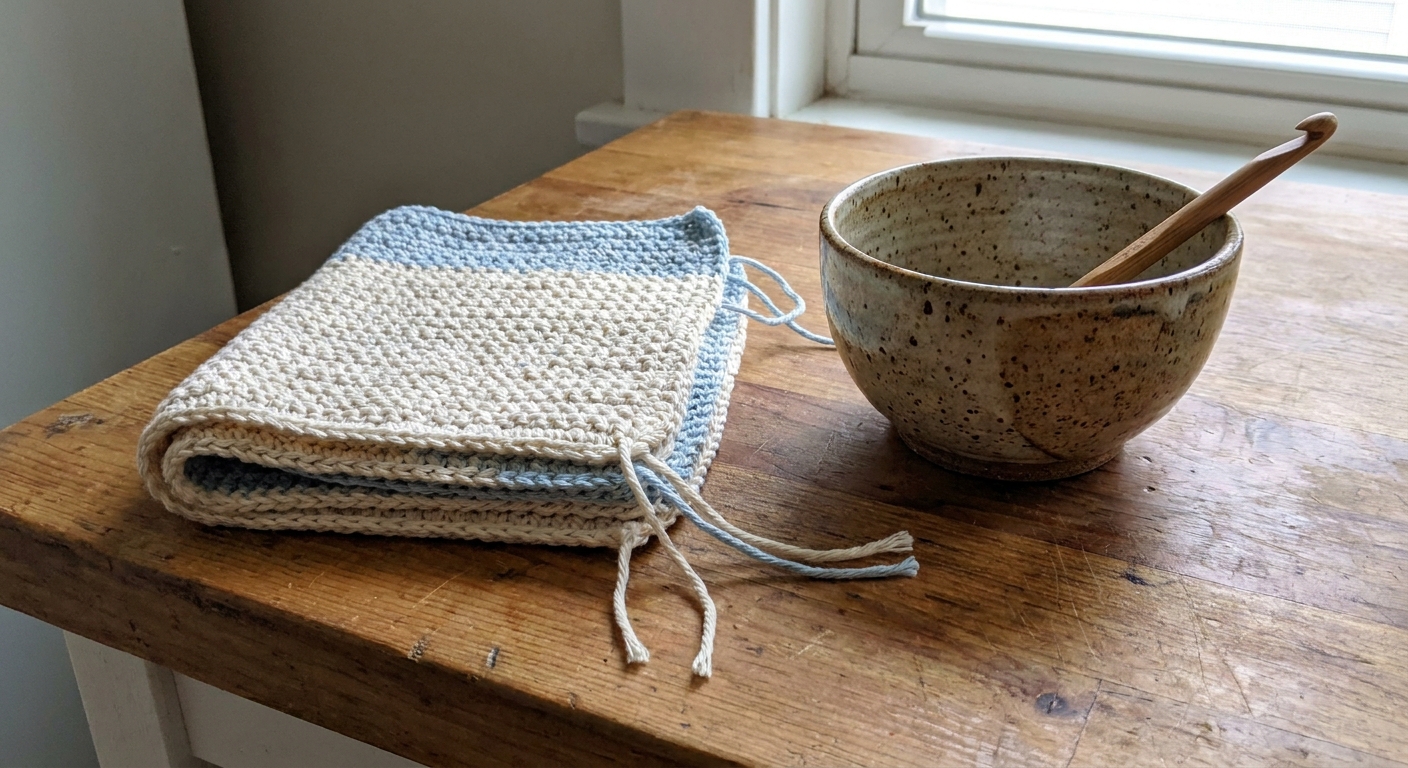
A quick decision guide
Pick 100% cotton if you want
- maximum breathability for hot weather
- high absorbency (dishcloths, towels)
- crisp stitch definition (texture, lace motifs that should look sharp)
- a more plant-fiber feel against the skin
- better heat safety for kitchen items (avoid acrylic near high heat)
Pick a cotton blend if you want
- more elasticity and better shape recovery (often, but not always)
- a finished fabric that tends to feel less heavy under its own weight
- easier care and often faster drying
- a garment that holds its silhouette longer
- a softer hand feel (many blends feel less “ropey” than some pure cottons)
Swatching advice that helps
I know, swatching is not everyone’s favorite. But cotton is one of those fibers where a small swatch can lie to you. Here’s what I do when I’m deciding between cotton and a cotton blend:
- Swatch bigger than you think you need. Aim for at least 6 inches square so the fabric behavior shows up.
- Launder the swatch the way you’ll launder the finished item. Cotton can relax, soften, or even shrink depending on heat and agitation. Blends can still change too, just sometimes less dramatically.
- To test “gravity growth,” do this the safe way. After washing, dry the swatch flat first. Then hang the fully dry swatch from one edge with a clip for a few hours to see if it lengthens under its own weight.
- Measure before and after. If your swatch grows, plan for that in length and fit.
If you want a deeper dive into testing fabric before committing, our guide to making and blocking a gauge swatch is written for knitting, but the measuring logic translates beautifully to crochet.
Care and longevity
100% cotton
- Softens with washing and can relax in shape
- Can wrinkle and sometimes looks a bit “lived in” (which I personally find charming for casual wear)
- Often takes dye well and can stay vibrant with gentle care
Cotton blends
- Often keep shape better over repeated wears
- Can pill more if acrylic content is higher
- May be easier-care depending on the exact blend and construction
No matter which you choose, I’m a fan of finishing strong. Secure ends thoroughly, especially in smoother cottons that can encourage ends to wiggle loose. If ends are your nemesis, you’ll appreciate our tips on weaving in ends for slippery fibers. Cotton is not as slippery as silk, but the method is solid.
One more practical thing: some cottons split more than you expect, especially softer, low-twist strands. A tighter twist can reduce splitting, and some blends behave better, but again it comes down to the specific yarn.
Switching fibers: common gotchas
Switching from a blend to 100% cotton
- Expect less stretch and a potentially heavier finished piece.
- Necklines and hems may need extra structure (edging, tighter gauge, or a seam).
- Plan for possible length growth, especially in garments.
Switching from 100% cotton to a cotton acrylic blend
- Expect slightly different stitch definition (often a bit softer or fuzzier).
- Gauge can shift because blends may compress differently under tension.
- For decor, you might gain resilience, but you could lose some absorbency.
If you’re substituting yarn in general and want a calm step-by-step way to do it, bookmark our yarn substitution guide. It’s written with knitters in mind, but the fiber and gauge thinking is exactly what you need for crochet swaps too.
FAQ
Is cotton or a cotton blend better for a summer top?
If you run warm, prefer breathable fabric, or want a crisp look, 100% cotton is hard to beat. If you want more recovery and less stretching out over time, a cotton blend can be the more reliable choice, especially for fitted tops. Either way, your stitch pattern matters as much as the fiber. More open stitches feel cooler.
Why do my cotton garments feel heavier after wearing?
That’s gravity at work. Cotton’s density plus a flexible stitch structure can cause the fabric to settle and lengthen. If you suspect that might happen, test it with a properly laundered swatch, dried flat first, then hung briefly to see how it behaves.
Can I use cotton acrylic yarn for potholders?
I do not recommend it. Acrylic can melt under high heat. For potholders, trivets, and anything that might touch a hot pan, stick with 100% cotton and use a dense stitch pattern. And remember, cotton is not magic either. Thin cotton fabric can still scorch, so thickness, density, and careful use matter.
What’s the best choice for pillows and throws?
For pillows, both can work. If the pillow cover needs to hold its shape and get handled a lot, a cotton blend can help. For throws, consider weight. A large 100% cotton throw can get surprisingly heavy, especially in tight, dense stitches.
The bottom line
If you want cool, crisp, breathable fabric with beautiful stitch definition, 100% cotton is a classic for a reason. If you want more bounce, a fabric that often feels less heavy, and better shape retention, cotton blends are often the lower-stress option, especially for garments that need to keep their fit.
And if you’re still torn, I’ll say the most crocheter-y thing possible: make the swatch, launder the swatch, and trust what the fabric tells you. Yarn never lies when you actually let it behave like a finished project.