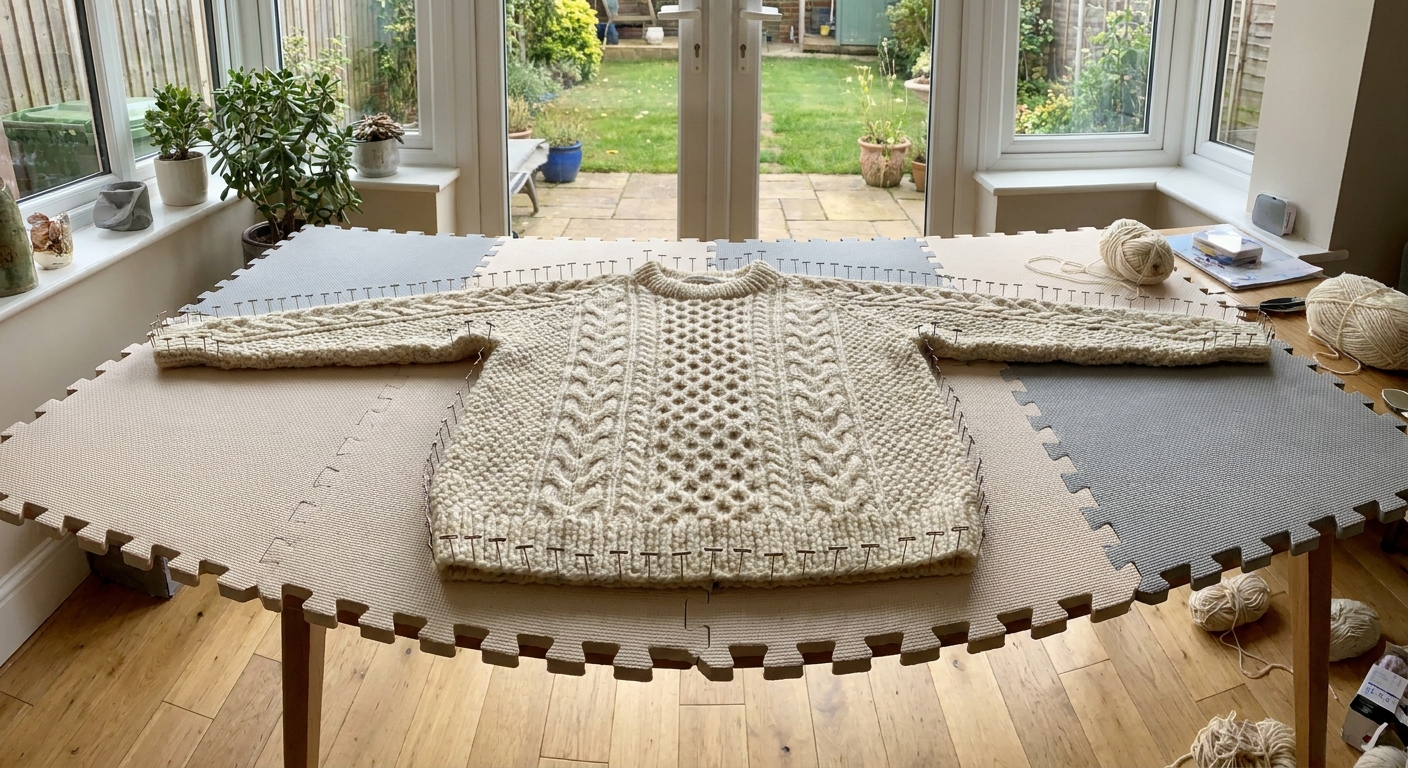
A gentle, step-by-step routine for washing and blocking hand-knit wool garments: soak, rinse, towel-press, pin to measurements, dry flat, and store to preven...
Superwash vs. Non-Superwash Wool

Published
I still remember the first time I tossed a wool swatch into the sink to “just rinse it real quick.” One swatch came out calm and well behaved. The other came out like it had decided to become a completely different fabric. That moment is why I always pause at the yarn shelf when I see the word superwash. It is not just a marketing label. It changes how wool holds shape, how crisp your stitches look, and how you care for your finished piece.
If you are choosing between superwash and non-superwash (untreated) wool for a sweater, hat, socks, or a felting project, here is the practical, maker-to-maker breakdown.
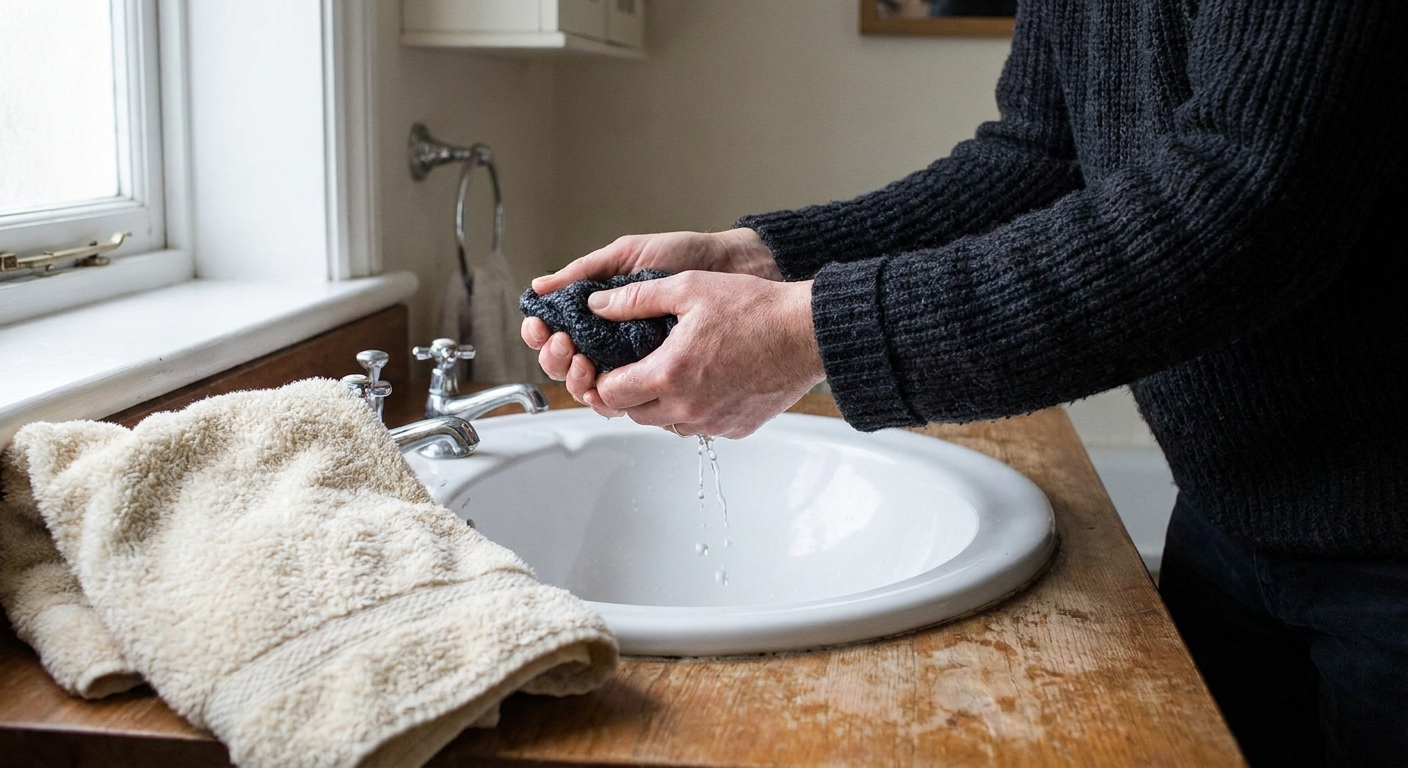
What superwash means
Wool fibers have microscopic scales. Those scales are part of why wool can felt, why it grabs onto itself, and why it can sometimes bloom and lock into a stable fabric after washing and blocking.
Superwash wool is wool that has been treated so those scales do not interlock as easily. Brands achieve this in a few ways. Two common approaches are:
- Scale reduction (commonly chlorine-based) that smooths or etches the scale edges.
- Polymer coating that covers the scales so they slide instead of snagging.
Many commercially available superwash yarns use a combination of both, but methods do vary by manufacturer. The practical result is wool that is far less likely to felt during normal laundering.
Non-superwash wool is simply wool that has not been treated this way. It keeps more of its natural surface texture and “grip.”
How it feels while stitching
Grip and elasticity
Non-superwash wool tends to feel grippier on the hook or needles. The fibers grab each other, which can make your fabric feel stable and springy. If you love ribbing that snaps back, cuffs that hold, and colorwork that settles into place, untreated wool often feels like it is helping you.
Superwash often feels smoother and sometimes a little slipperier. It can still be elastic, but the fabric may relax more with wear, especially in garments that hang under their own weight.
How the fabric holds shape
This is the biggest difference I see in real life projects:
- Non-superwash tends to hold its blocked shape with a stable, woolly resilience. It can also be gently reshaped with steam or a careful re-block.
- Superwash often grows more after washing and can continue to relax over time. Some superwash yarns bounce back nicely. Others behave like a softly drapey fabric that wants to lengthen.
If you have ever knit or crocheted sleeves that mysteriously got longer after the first wash, there is a good chance you were working with superwash.
Split risk and stitch tension
Because superwash can be smoother and more uniform, some varieties are a bit more prone to splitting, especially in multi-ply yarns with a looser twist.
If splitting is driving you nuts, my troubleshooting process is the same no matter the fiber. It helps to revisit how you pair yarn and tools. This guide is handy when you are weighing that relationship: Wood, metal, or bamboo needles: match material to yarn grip.
Stitch definition and texture
When you want crisp stitches
In many yarns, superwash wins for stitch definition, especially in cables, lace, and textured patterns where you want each loop to look clean and distinct. The smoother fiber surface reflects light differently, so stitches can read as more sharp.
But it is not a universal rule. A high-twist untreated wool can look incredibly crisp, and some superwash bases bloom more than you expect. Definition is also not the same as structure. A superwash cable can look beautiful and still relax more after laundering.
When you want bloom and a classic wool look
Non-superwash tends to bloom in a classic, woolly way. After washing, stitches can soften and fill in slightly. That is wonderful for fabrics where you want warmth and a cohesive surface, like mittens, rustic hats, or outerwear pieces.
If your goal is a traditional sweater look that feels like it came from a little countryside wool shop, untreated wool is usually the easiest route to that vibe.
Care in real life
Washing and drying
Superwash wool is often labeled machine-washable, but I still treat it thoughtfully:
- Use cool water and a gentle cycle if machine washing.
- Avoid big temperature swings (hot wash, cold rinse).
- Skip aggressive agitation.
- Check the label before you assume it can go in the dryer. Machine-washable does not always mean tumble-dry-safe.
Even superwash can shrink, matt, or generally misbehave if you combine heat plus agitation. I still prefer laying flat to dry unless the label specifically approves tumble drying and I am comfortable with the risk.
Non-superwash wool is happiest with hand washing and flat drying. I walk through my careful routine here: How to wash and block hand knit wool garments. The same steps work beautifully for crocheted wool garments too.
Pilling and abrasion
Pilling depends on breed, staple length, twist, ply, and how the yarn was spun, but in general:
- Superwash can pill a bit more in high-friction areas because the treatment can make fibers slide and migrate to the surface more easily.
- Non-superwash can still pill, but some untreated wools seem to “settle” into a stable fabric after a few wears and washes.
Also worth saying out loud: short-staple merino (common in both superwash and non-superwash) is simply a pilling-prone fiber, no matter how it is treated.
Socks, underarms, and crossbody bag straps are the true pilling test, regardless of which wool you choose.
Felting
If you want a project to felt on purpose, choose non-superwash. Untreated wool is the reliable option for slippers, bags, dense mats, and sculptural pieces.
Superwash is usually not a good felting base. It may fuzz, distort, or partially matt in spots, but it typically will not lock into that sturdy, evenly felted fabric you are aiming for. For projects with structure where felting plays a role, I also like to think about how firm the final fabric needs to be and whether it will get heavy. If you are in the “structured accessories” mood, you might enjoy the building blocks in our Yarn Crafts guide.
Which one to choose
Pick superwash when
- You need easier care for a gift, kids’ wear, or busy everyday sweaters.
- You want very clear stitch definition for cables, lace, and texture.
- You are making items that get washed frequently, like socks (especially when blended with nylon).
- You like drape and a softer, fluid fabric.
Pick non-superwash when
- You want maximum spring and structure, especially for ribbing and fitted garments.
- You want a classic wool bloom and a slightly more rustic hand.
- You are planning to felt the finished piece.
- You are making heirloom items where hand washing is part of the care plan.
If you are unsure, swatch like it matters
I know, I know. Swatching is not everyone’s favorite. But for superwash vs. non-superwash, a washed swatch answers questions that guessing cannot.
My simple routine:
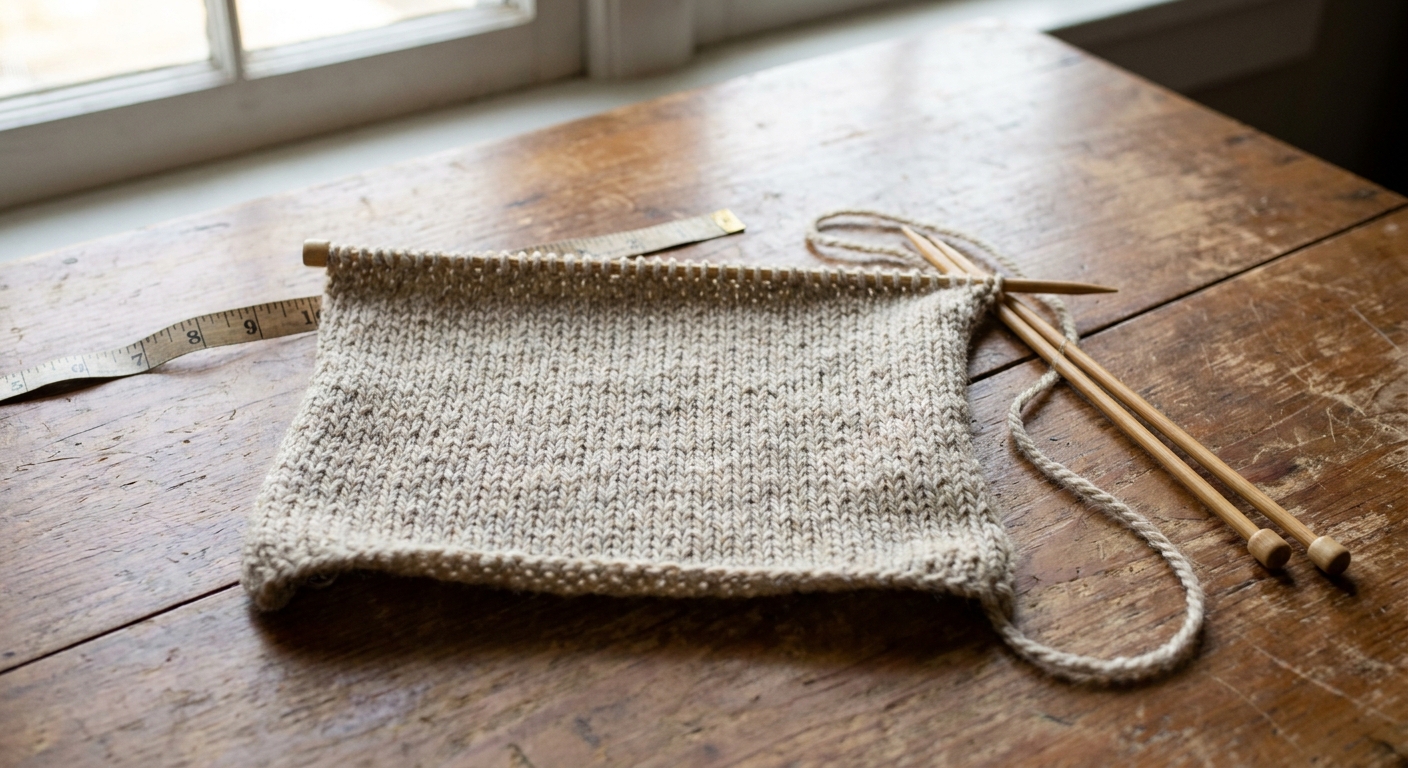
- Make a swatch big enough to measure honestly (at least 5 to 6 inches square).
- Measure it dry.
- Wash it the way you plan to wash the finished item.
- Lay flat, pat into shape, let it fully dry.
- Measure again and note any growth or tightening.
If you want a refresher on reading gauge results and making the swatch do actual work for you, this walkthrough is a great companion: How to knit and block a gauge swatch. Even if you crochet, the measuring and blocking logic is the same.
Project matching
Sweaters and cardigans
For everyday washable sweaters, superwash can be a lifesaver, especially for families. Just plan for potential growth. I like slightly shorter bodies and sleeves before washing, and I avoid heavy, open stitches that can lengthen dramatically.
For superwash garments, I also lean on small engineering choices that pay off later:
- Choose patterns written for superwash when possible, or at least ones with positive ease and a drapier intent.
- Use firm edges (a tighter rib, a smaller hook or needle for bands, or a sturdier border) to help cuffs and hems hold up.
- Reinforce stress points if your pattern allows it, like adding stability at shoulders or seams so the fabric has less opportunity to lengthen.
For structured pullovers with crisp ribbing, untreated wool is often my first pick. It tends to stay sweater-shaped longer.
Hats
Both work, but they feel different. A superwash hat can be softer and drapier. An untreated wool hat usually has more bounce and stays snug at the brim.
Baby items
Baby knits and crochet are a place where priorities can change. If caregivers are going to machine wash, superwash is practical. If you need the gentlest fiber feel and you are happy to hand wash, untreated wool can be gorgeous.
Felting projects
Untreated wool, every time. If you are planning to full a piece into a dense fabric, the fiber scales are doing the heavy lifting.
FAQ
Does superwash wool always grow?
Not always, but it is common enough that I assume it might until a washed swatch proves otherwise. Growth is influenced by the yarn’s twist, ply, and how heavy your fabric is.
Is superwash less warm than non-superwash?
It can feel a touch less woolly because it is smoother, but warmth depends more on gauge, stitch pattern, and how much air the fabric traps. Both can be very warm.
Can I mix superwash and non-superwash?
I avoid mixing them in the same fabric area (like stripes in a sweater body) because they can block and wear differently. If you do mix, treat it like an experiment and swatch the combination.
What about wool sensitivity?
Sensitivity is often about fiber diameter (microns) and breed rather than superwash treatment alone. Some people find superwash smoother against skin. Others prefer untreated wool because it feels less plasticky. If you are sensitive, choose softer breeds and make sure you can return or rehome yarn that does not work for you.
My bottom line
If you want easy care and crisp stitches, superwash is a wonderful tool. If you want natural grip, structure, and felting potential, non-superwash is hard to beat. Neither is better, they simply behave like two different materials that happen to start from the same fleece.
When in doubt, make the swatch, wash the swatch, and let the yarn show you who it is before you commit to a whole sweater.